


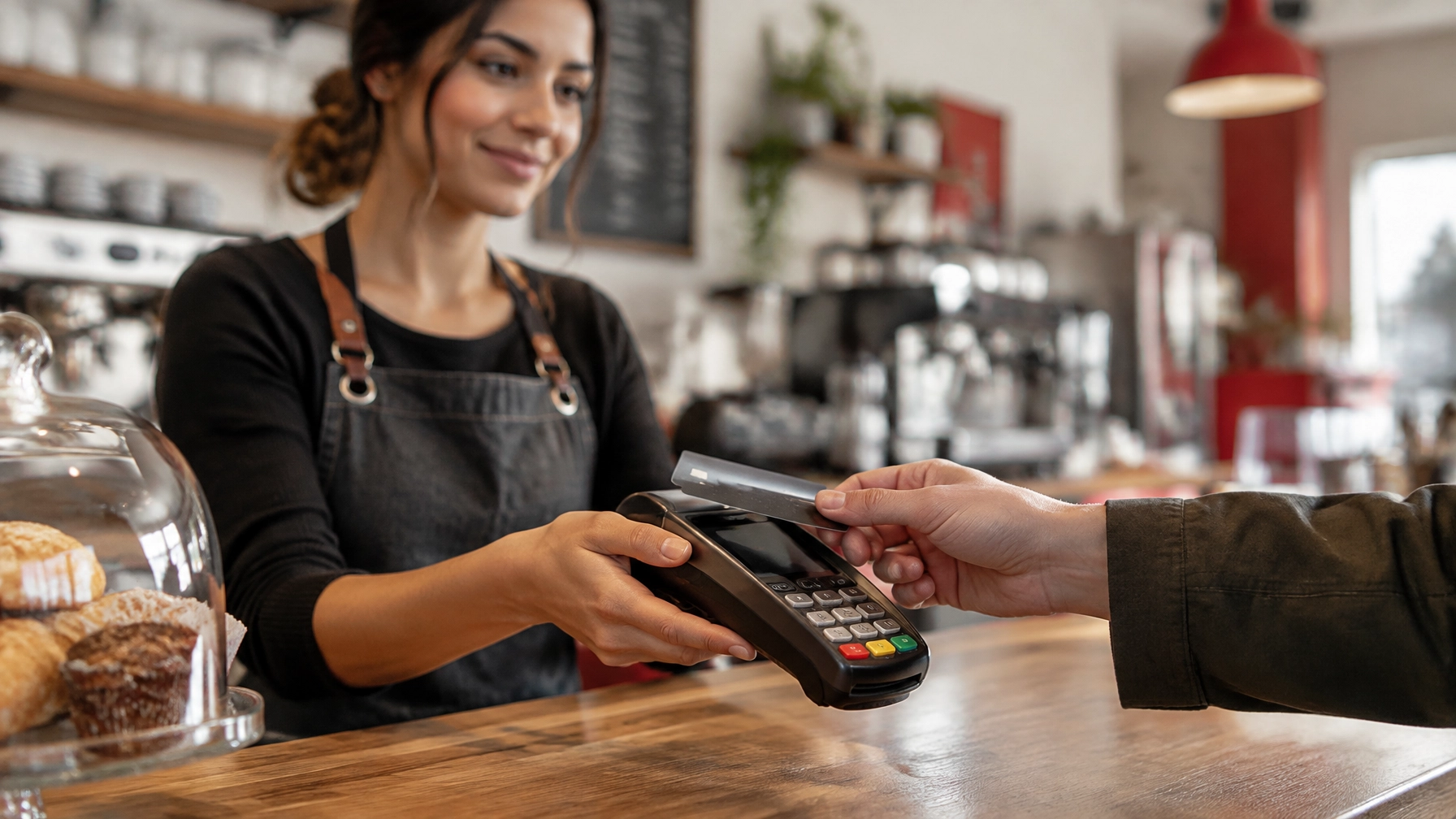
The next time a customer taps a card at your shop, the most important business in the transaction may be one they never see.
Behind that quick checkout are payment systems that help authorize purchases, move information and keep money flowing between businesses, banks and card networks. It is essential infrastructure, even when nobody stops to admire it. And it is the kind of business that has caught the attention of major investors.
On Oct. 30, 2026, reports surfaced that private equity firm Clayton, Dubilier & Rice, known as CD&R, was in early stage talks to take payments processor Global Payments private. The reported plan involves working with GTCR, Global Payments’ largest shareholder. The potential transaction has been described as carrying an enterprise valuation of roughly $40 billion.
That is not a signed deal, a confirmed offer or a promise that anything will happen. The talks are early, and they could fall apart. But the possibility alone is a useful prompt for entrepreneurs: why does so much investor attention keep landing on businesses that seem, at first glance, rather ordinary?

The $40 billion figure needs context
A company’s enterprise value is not the same thing as the value of its shares. It generally reflects the value of the business as a whole, including debt and cash, while market capitalization measures the value of the company’s publicly traded shares.
In this case, Global Payments’ market capitalization was roughly $23 billion before the news, and its net debt was more than $17 billion. Together, those figures help explain how a potential enterprise valuation could approach $40 billion. The company’s share price rose about 12% after the report, but that market reaction does not mean a deal has been agreed or that investors have been told what a final price might be.
That distinction matters. Headlines about large valuations can make a transaction sound more settled than it is. Here, the central fact is not that Global Payments has been sold. It is that private equity firms are reportedly exploring whether they can acquire it, alongside a major existing investor.
“Boring” can mean business critical
A payment processor may not have the cultural buzz of a social platform or the visible appeal of a consumer brand. But when a business takes a card payment, it depends on systems that work quickly and reliably. For a shop owner, a broken checkout can mean a lost sale, a frustrated customer and an awkward moment at the counter.
That makes payment infrastructure a business people can rely on without thinking about it. The best infrastructure often works quietly in the background, connecting tools and organizations in ways that are difficult to replace without disruption.
This is the founder lesson hiding in the deal talk. A business does not need to be glamorous to be valuable. It needs to solve a problem customers cannot easily ignore, deliver that solution consistently and earn a meaningful place in how customers operate.

Investors notice what customers depend on
Investors often pay attention to qualities such as dependable revenue, long customer relationships and services woven into everyday operations. A payment processor can sit inside the flow of a customer’s sales, making it useful not just once but transaction after transaction.
Founders in other industries can look for the same kind of durable role. Could your software become part of a client’s regular workflow? Does your service help customers serve their own customers? Does it save time, prevent costly mistakes or make an essential task easier to complete?
These questions are not a recipe for turning every company into a payments giant. They are a way to examine whether your business is building lasting usefulness, rather than competing only for a moment of attention.
There is also a practical difference between recurring revenue and wishful thinking. A customer paying once does not automatically mean you have a reliable recurring business. Look at whether customers renew, continue using the product, expand their engagement or depend on it as their operations grow. Those behaviors can tell you whether your offer is becoming part of the way they work.
Owning infrastructure can beat renting attention
Many growing companies need visibility. Advertising, social platforms and partnerships can introduce a brand to new people, and they can be powerful tools. But reach alone is rented: costs can rise, platform rules can change and audience attention can move elsewhere.
Infrastructure is a different kind of asset. It could be a specialized software tool, a distribution network, a production process, a trusted data system or a service that helps a customer meet an ongoing need. When other people’s work depends on what you provide, you may build value that does not disappear when an algorithm changes.
That does not mean founders should ignore marketing or stop using platforms. It means that audience growth and business resilience are not the same thing. Attention may bring customers to your door. A strong product, reliable service and a reason to stay are what can turn that first visit into a lasting relationship.
A useful exercise is to map the parts of your customers’ day where your business matters. What happens before they use your service? What would be harder if it disappeared? Where could a better integration or a more dependable process remove friction? The answers may point toward a sturdier business than another round of chasing clicks.

What going private can change, and what it cannot
When a public company goes private, its shares are no longer traded on a public stock exchange. That can give its owners more freedom to make decisions without answering to public shareholders on the same quarterly schedule.
For a private equity owner, that flexibility may create room to reshape a company, invest in new capabilities or pursue a longer term plan. It is one possible reason an established business might attract buyers who believe they can build more value outside public markets.
But it is important not to treat that as a guaranteed outcome for Global Payments. No specific plan has been confirmed in the reported talks. And private ownership does not mean no pressure. Owners still have financial obligations, expectations and deadlines. A company can face scrutiny and difficult choices whether its shares trade publicly or not.
For founders, the takeaway is not that private equity is always the answer, or that every company should aim for a buyout. It is that investors may see opportunity in businesses whose importance is easy to overlook because their work happens behind the scenes.
A founder’s checklist for building staying power
If you are building a company now, start with a few grounded questions:
- Is the problem frequent? A solution customers need repeatedly can have a stronger foundation than one they use only occasionally.
- Does your business fit naturally into their workflow? Make it easier for customers to keep using you by connecting your service to the way they already work.
- Can customers see the value? Reliability matters, but so does making the benefit clear, whether that is time saved, fewer errors or a smoother customer experience.
- Are you building trust as well as convenience? Customers may depend on you only if they believe you will show up, protect their interests and handle problems responsibly.
- Are you growing on solid economics? Revenue matters, but so do the costs of delivering your service and keeping customers satisfied.
The Global Payments story is still unfolding, and the reported discussions may never become a transaction. Yet its significance reaches beyond one company’s potential ownership change. Every day, businesses depend on systems that make their work possible, even when those systems rarely get noticed.
For entrepreneurs, that is a powerful reminder: enduring value is often built in the quiet parts of the economy. Solve a real problem. Become genuinely useful. Earn a place in the work your customers need to do. The business that makes everyone else’s business run may be more compelling than it looks.