

When people talk about the AI boom, the conversation usually turns to chipmakers, cloud platforms and the companies building data centers. But there’s another part of the story with a growing claim on investor attention: the equipment needed to move electricity reliably from where it’s generated to where it’s used.
GE Vernova’s latest move makes that hard to ignore. On October 28, the company announced a definitive agreement to acquire Trench Group, a global maker of high-voltage grid equipment, from Triton Partners for $9 billion.
The deal is expected to close in late 2027, subject to regulatory approvals. It’s a major bet on the infrastructure behind electrification, and a reminder for business owners and entrepreneurs that a boom’s biggest opportunities don’t always belong to its most visible names.
What GE Vernova is buying
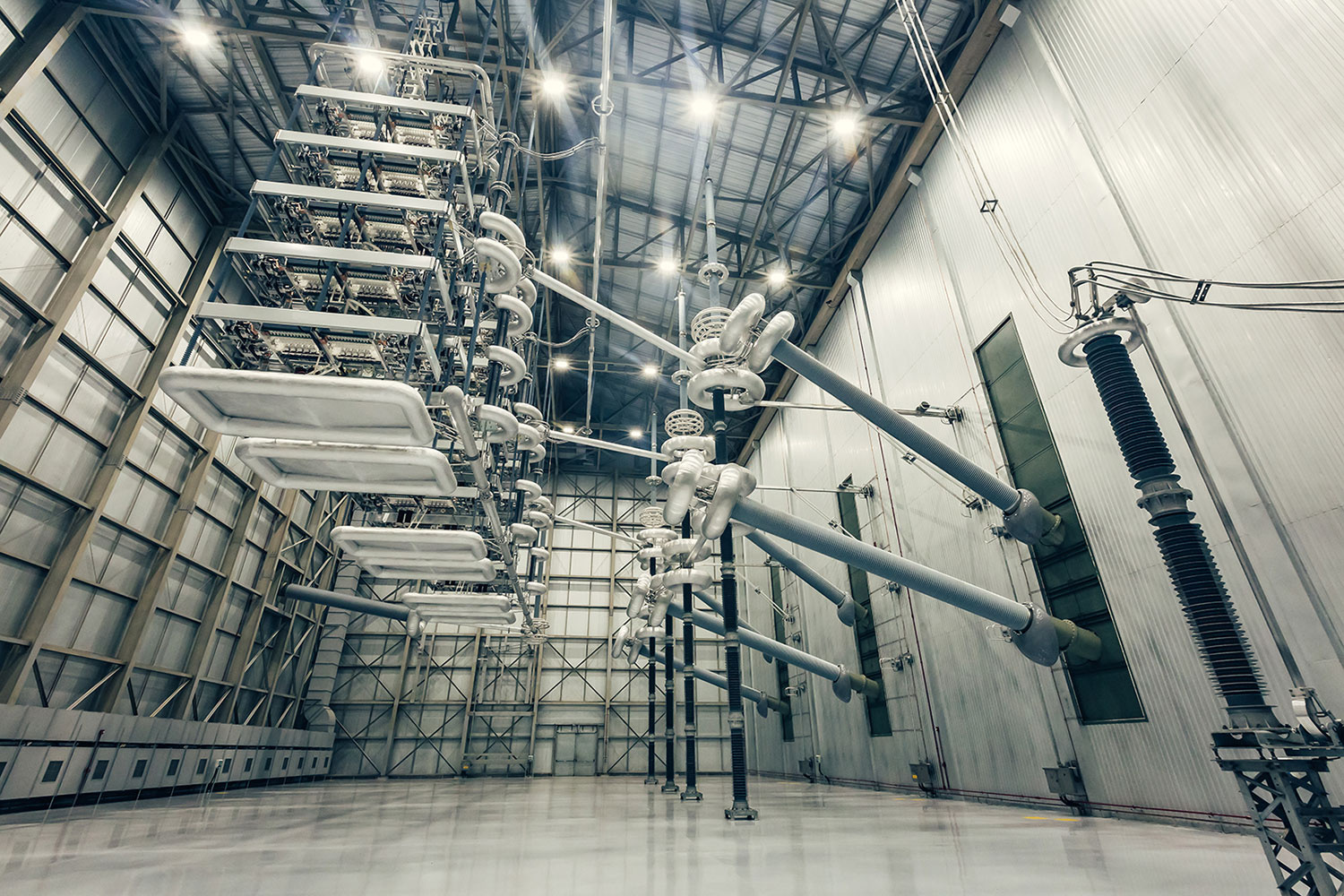
Trench makes components used in high-voltage transmission networks, including bushings, instrument transformers and coils. These products may not be as familiar as a power plant or a data center, but they help equipment connect, monitor and manage electricity across the grid.
The company has more than 3,000 employees and 11 manufacturing sites across North America, Europe and Asia. Its customers include utilities and hyperscale data-center operators. Trench also brings roughly $5 billion in backlog and framework agreements, giving GE Vernova visibility into future work.
GE Vernova says the acquisition will strengthen its Electrification segment, including its Grid Systems Integration and Power Transmission businesses. It also expects the combination to expand manufacturing capacity and geographic reach.
The price is substantial: $9 billion, funded equally through cash and debt. GE Vernova says that values Trench at about 13 times its projected 2028 adjusted EBITDA, before potential synergies. Trench is expected to generate around $1.9 billion in revenue that year, with an adjusted EBITDA margin of about 36%.
That’s a premium valuation, but it reflects the strategic value of a supplier positioned in a market where demand is rising and delivery capacity is under pressure.

The grid is becoming a competitive asset
The essential backdrop is a mismatch between how quickly electricity needs are growing and how long it takes to expand the infrastructure that carries it.
Data centers are one part of the demand picture. AI workloads require substantial computing capacity, and that computing capacity needs reliable power. At the same time, utilities are upgrading aging equipment and preparing networks for broader electrification. New generation sources also need connections to the grid.
But a data center can be planned and built faster than major grid infrastructure can be permitted, manufactured and installed. That gap can put pressure on equipment suppliers, and make dependable access to products and production capacity strategically valuable.
This is why the Trench deal matters beyond the headline price. GE Vernova isn’t simply buying a set of products. It’s buying capacity, technical expertise, established customer relationships and a backlog tied to future demand. In a constrained supply chain, having more of those pieces under one roof can help a company compete for projects and serve customers more effectively.
The distinction matters: Trench’s products are part of the high-voltage ecosystem, not a stand-in for every transformer, breaker or switchgear item the grid needs. But their role in transmission infrastructure makes them a meaningful piece of the broader electrification buildout.

What the earnings announcement adds
GE Vernova announced the agreement alongside its third-quarter 2026 results, which showed strong order growth and a larger backlog. The company also raised its 2026 free-cash-flow outlook to $16 billion to $17 billion, up from its previous range of $11.5 billion to $12.5 billion.
That higher outlook offers context for the acquisition. GE Vernova is making a large investment while signaling confidence in its own cash generation and the demand it sees across its businesses. Still, the purchase is not risk-free. Regulatory reviews remain ahead, the close is expected more than a year from now, and combining operations takes time. The projected financial benefits depend on future performance, not just a signed agreement.
For Trench, joining GE Vernova could mean access to a larger platform and a broader set of customer relationships. For GE Vernova, the challenge will be turning that expanded scale into reliable delivery, profitable growth and a stronger customer offering.
The “shovels” lesson for every industry
There’s a useful business lesson here: when a market gets crowded with attention, look at the companies supplying what everyone needs to participate.
During a gold rush, the obvious story is the gold. The less obvious story may be the tools, transport and services that miners need every day. In today’s power buildout, the headline players may be AI companies and data-center operators. The less visible suppliers (those making components, controls and equipment) can still become highly valuable when demand outpaces supply.
That doesn’t mean every supplier is a sure winner. A hot market can attract competition, and manufacturing expansion takes capital, labor and time. Backlogs can signal strong demand, but they’re not the same as completed revenue. Businesses still have to deliver quality products on schedule and manage their costs.
The more useful question is: what is every customer in your market struggling to get?
If you’re an entrepreneur, map the bottlenecks around your industry. Are customers waiting for installation, training, compliance help, maintenance, specialized components or dependable service? Could your business solve one of those needs more quickly or reliably than existing providers?
If you’re an established business, take another look at your capabilities. A product or service that once seemed like a supporting function may become essential as customer needs change. A trusted niche, repeatable delivery and a strong track record can be powerful advantages when the market grows.

What to watch next
For GE Vernova and Trench, the next milestones are the regulatory process and the work required to prepare for a late-2027 close. After that, customers and investors will be watching how the combined businesses expand capacity, manage their backlog and meet delivery commitments.
For the broader market, keep an eye on whether equipment makers can turn new investment into actual production, and whether grid projects can move from planning to construction. Strong demand creates opportunity, but the companies that can meet it consistently are the ones most likely to build lasting credibility.
GE Vernova’s agreement is a big-ticket deal, but its broader message is simple: the infrastructure behind a boom can become a strategic asset in its own right. Whether your field is energy, technology, entertainment or professional services, look beyond the names everyone already knows. Sometimes the most compelling opportunity is found in the businesses quietly helping the whole market move forward.