


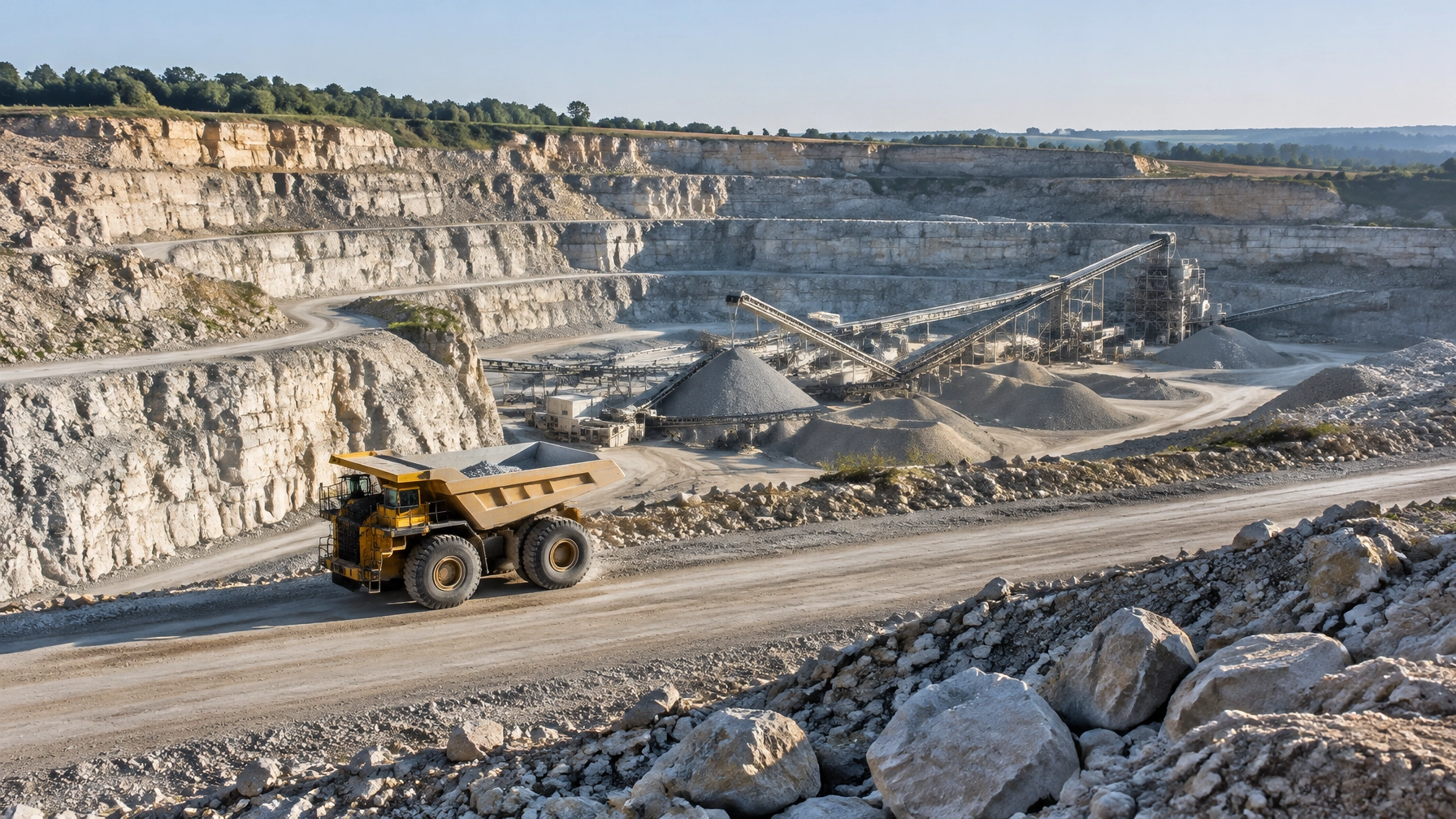
The materials under a road, bridge or energy project rarely get the spotlight. But they are essential to making those projects real. On October 23, CRH completed its acquisition of Arcosa, Inc., in a deal with an enterprise value of approximately $8.5 billion. Arcosa shareholders received $150 in cash per share, with aggregate cash consideration totaling roughly $7.5 billion. Arcosa is now a wholly owned subsidiary of CRH Americas, and its stock has been delisted from the NYSE.
The headline is a major corporate transaction. The deeper business signal is about the physical foundations of construction: aggregates, infrastructure products and transportation construction. In other words, the less glamorous materials and equipment that help projects move from plans to ground level.
For business owners and operators, a deal of this size is worth watching, not because it predicts exactly what will happen in every market, but because it highlights where a major building-materials company is choosing to invest.
A big bet on the basics
CRH is a building-materials giant. Arcosa adds aggregates, infrastructure products and transportation construction to its portfolio. The combined footprint strengthens CRH’s position in U.S. and global aggregates and connects the companies to the materials and systems that support construction.
Aggregates are crushed stone, sand and gravel. They may not sound like the most exciting part of a construction project, but they are basic inputs for the built environment. Roads need a foundation. Bridges need concrete. Construction and infrastructure projects rely on a steady supply of materials and the equipment and services that get those materials where they need to go.
That is why the acquisition matters beyond the companies involved. It shines a light on the supporting layers of the economy: the products, logistics and infrastructure that make more visible projects possible.

What the acquisition may signal
A major acquisition does not guarantee a particular construction boom, nor does it tell every local business what to expect next. But when one of the largest players in building materials commits substantial capital to aggregates and infrastructure products, it is a signal worth putting on the radar.
The practical takeaway is to look beyond the project announcement and ask what must be in place to build it. A road, bridge, data center or energy project needs more than a design and a groundbreaking ceremony. It also needs materials, transportation, equipment, contractors and the operational support that keeps work moving.
That wider view can help small businesses spot potential opportunities earlier. A contractor may need dependable trucking. A construction company may need equipment or signage. A project may create demand for staffing, communications or marketing support. The businesses supplying these needs might not be the ones making headlines, but they can still be part of the procurement wave.
The opportunity is local, too. National investment matters, but business owners should pay close attention to what is planned and underway in the places they actually serve. A regional pipeline of roadwork or commercial construction may be more useful to a local operator than a broad national forecast.
Follow the work in your own backyard
For owners, operators and marketers, turning a headline into a practical signal starts with a few simple habits.
Keep an eye on local infrastructure and commercial construction pipelines. Watch for project announcements, procurement activity and visible work starting in your service area. The goal is not to predict every contract. It is to notice where demand could develop and prepare to respond.
Map your offer to what projects need. If you work in equipment, trucking, signage, staffing or marketing for contractors, make the connection clear. A potential customer should quickly understand how your service helps them meet a real operational need, whether that means moving materials, keeping a site equipped or making a business easier to find.
Get ready before the phone rings. Review your capacity, timelines, service area and ability to handle a new account. A promising opportunity can move quickly; being clear about what you can deliver makes it easier to have a productive first conversation.
Look for connected demand. A construction project may create needs beyond the core build. The work may involve supply, transport and service providers as well as the firms directly managing the site. Thinking through those links can reveal customers you might otherwise overlook.

Don’t overlook the unglamorous niche
There is another lesson here for entrepreneurs: the biggest opportunities are not always in the flashiest categories.
Aggregates and transportation construction rarely have the public profile of consumer technology or entertainment. Yet these businesses sit close to essential, physical work. They provide materials and capabilities that projects depend on. That can make a niche valuable even when it does not seem especially exciting from the outside.
The same principle applies in other markets. A service can be modest, specialized or easy to overlook and still solve a recurring problem for customers. Think about the part of your industry that everyone needs but few people talk about: the maintenance task that keeps operations running, the supply problem that slows down a team, or the behind-the-scenes service that prevents costly delays.
A useful question for any business owner is: What does my customer need before, during or after the thing everyone notices? The answer may point toward a service worth refining, or a niche worth taking more seriously.
That does not mean every unglamorous category is automatically a winning business. It does mean that visibility and value are not the same thing. A market can be essential without being trendy.
A transaction worth watching, not overreading
CRH’s completed acquisition of Arcosa is a clear strategic move in building materials and infrastructure. It strengthens CRH’s position in aggregates and adds Arcosa’s infrastructure products and transportation construction capabilities. Arcosa’s transition to a wholly owned subsidiary and its delisting from the NYSE mark the close of a significant corporate chapter.
For businesses watching the construction economy, the headline offers a prompt: look at the foundation beneath the visible project. The materials, transport and supporting services are part of the story, too.
The best response is not to assume that one deal guarantees a rush of work. It is to stay curious and prepared. Track local pipelines. Understand how your business fits into the project ecosystem. Make it easy for potential customers to see the role you can play. And do not dismiss a niche just because it is not glamorous.
Sometimes the clearest signs of where an economy is building next are found in the things most people walk right past.