

Daddy Yankee’s latest album has a new kind of launch partner: the platform where millions of fans already discover and share music.
On November 11, news broke that TikTok’s SoundOn is handling global distribution, artist services and promotion for La Postal, a 15-track album released through DY Records on October 30. SoundOn describes the partnership as its biggest artist deal to date. The campaign reaches beyond getting songs onto streaming services, with a Times Square billboard and interactive features designed to bring fans into the album’s world.
That distinction matters. This is not simply a story about a famous artist using a different distributor. It’s a sign of how artist services are changing: the platforms that help artists reach audiences can also play a direct role in releasing and activating their music.
A distribution deal designed to keep moving
SoundOn’s role covers global distribution, artist services and promotion. The album itself remains a DY Records release, so the arrangement is best understood as an expanded partnership rather than a simple label change. It brings release support together with a campaign on TikTok, where Daddy Yankee already has an established audience.
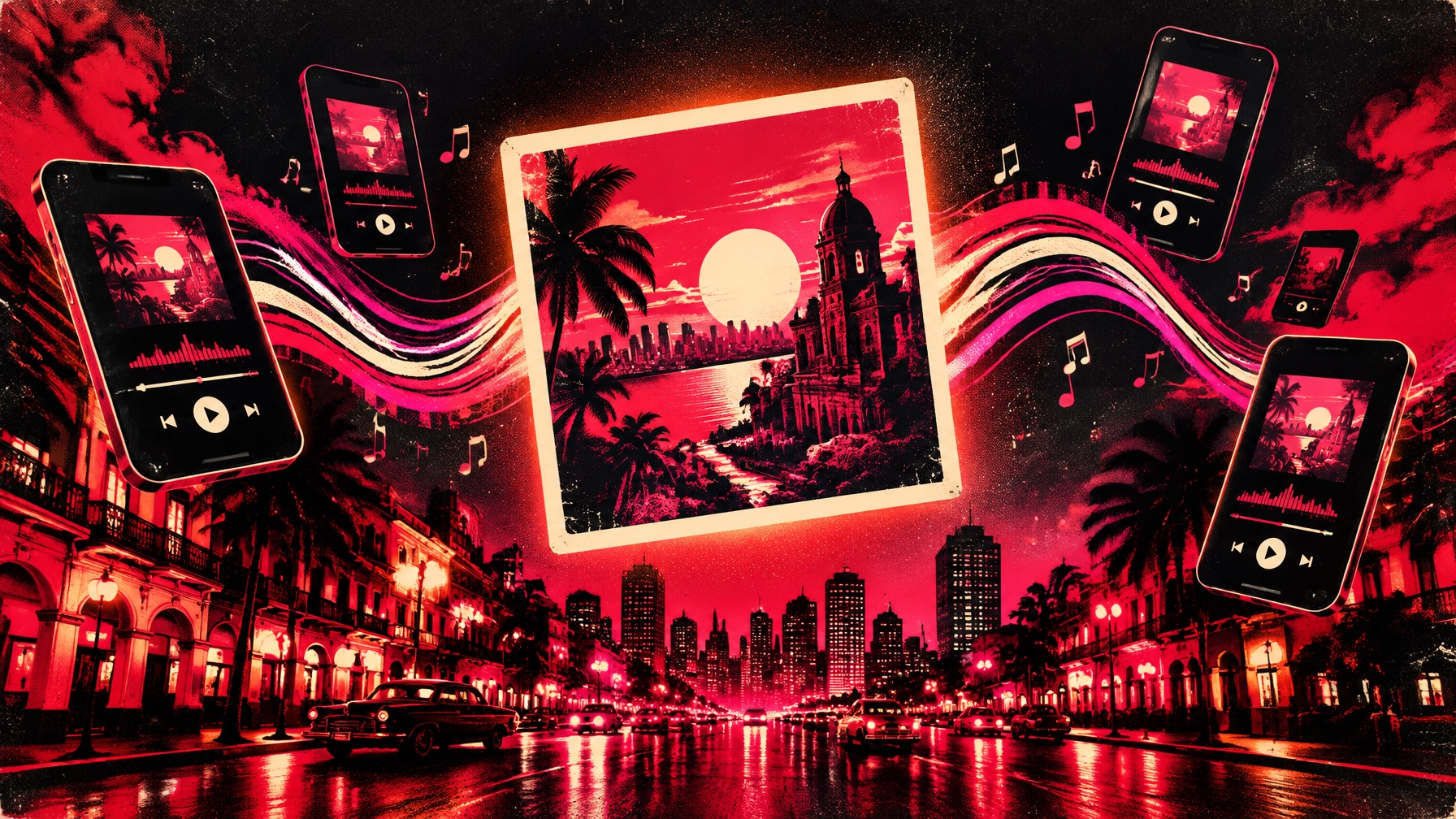
For La Postal, that campaign includes a dedicated album hub and a search Easter egg. Fans can also complete in-app challenges to unlock an exclusive profile frame and discover a special video. The Times Square billboard gives the release a visible presence beyond the screen, while the interactive elements invite fans to do more than scroll past a promotional post.
The album’s concept gives those details something to connect to. Across 15 tracks, Daddy Yankee explores different forms of love, describing the songs as individual love letters. The record includes collaborations with Cardi B, Myke Towers, Danny Ocean, Bizarrap and Diljit Dosanjh. It arrived through DY Records on October 30, with SoundOn’s partnership announced afterward.
The timing is worth noticing: distribution and artist services are part of the album’s broader release activity, not evidence that one platform controls every part of the artist’s career. The public announcement does not spell out financial terms or the full contractual arrangement. What it does make clear is the direction of the offer: distribution paired with artist services, promotion and a platform-specific fan experience.
Why a platform-first route has weight
For years, distribution was a necessary step in putting music out. Today, simply making a track available is rarely enough to make a release stand out. Artists also need a way to help fans find it, share it, talk about it and return to it after launch day.
A platform-first partnership can connect those parts. SoundOn can help put the music into the distribution pipeline, while TikTok can create promotional moments inside a social environment where listeners already discover songs and participate in trends. The potential advantage is not just that the platform is involved. It is that the campaign can be designed around the habits of the audience there.
That doesn’t make this a guaranteed shortcut to attention. Daddy Yankee brings a global profile and a community of fans built over decades. An emerging artist should not expect the same scale simply by choosing a platform-affiliated service. The more useful lesson is structural: release support is expanding beyond delivery, and platforms are increasingly able to package distribution with ways to activate an audience.

The bigger value is in the activation
Distribution has become widely available. The more distinctive part of this deal is the campaign built around the album. A fan can search for the release, land in a dedicated hub, take part in a challenge, unlock a profile frame and discover a video. Those are small actions, but together they turn a release into a series of invitations.
That’s the difference between announcing music and giving people a reason to engage with it. An artist may not have access to a Times Square billboard or a major platform campaign, but the principle scales down. A release can include a participatory moment that fits the artist’s resources: a fan prompt, a short-form video challenge, a behind-the-scenes reveal or a visual detail that rewards close attention.
The key is to make the interaction feel connected to the music, not bolted on as a gimmick. If the album has a clear theme, visual identity or story, fans can help carry it forward. The best participation gives people something easy and enjoyable to do, while keeping the song itself at the center.
Four practical lessons for independent artists
1. Build where your listeners already gather.
Social platforms can be more than discovery channels. Some also offer distribution and artist services. That makes it worth understanding what tools are available where your audience spends time. But don’t confuse a large platform with a complete career plan. Keep building direct connections with fans and maintain a presence across the services that matter to your audience.
2. Treat distribution as the starting line.
Getting music delivered is essential, but it doesn’t guarantee listeners will notice. When comparing services or partnerships, look beyond the upload process. Ask what support is available around release planning, promotion, audience insights and fan engagement. The question is not only, “Can this service distribute my music?” It is also, “What can it help me do once the music is out?”
3. Design a fan moment, not just a post.
Before release day, think about one simple action fans could take that expresses the mood or story of the project. Could they choose a favorite lyric, share a personal memory, add a visual to their own post or follow a short challenge tied to the track? Make participation clear and accessible. A good idea should work for a devoted fan and a first-time listener alike.
4. Look for fit, not just scale.
A deal is valuable when the partner’s strengths match where an artist’s audience lives and what the release needs. A platform with strong short-form discovery may suit a track built for visual storytelling. Another partner may be better positioned to support international distribution, live events or a niche community. Reach matters, but fit is what makes reach useful.

A new shape for artist services
Daddy Yankee’s partnership with SoundOn shows how a release can sit at the intersection of distribution, promotion and fan participation. It doesn’t mean traditional label support has disappeared, or that every artist should choose the same route. It does suggest that the value of a music partner increasingly depends on what happens around the music, not only on where the files are delivered.
For independent artists, that’s encouraging. You may not have the scale of a global superstar, but you can still build a thoughtful release around the people most likely to care. Make the music easy to find. Give fans a genuine way to take part. Choose partners whose strengths line up with your audience and goals.
The platforms are changing their role in music. Artists who understand that shift can make smarter choices about how each release reaches the world, one thoughtful fan moment at a time.