


A song can be everywhere and still be hard to pay for.
It might be streaming, appearing in a video, or playing in the background of a show. But if the recording can’t be connected clearly to the composition, its writers, and the people who own the rights, the money can hit a paperwork wall. For independent artists, that wall is rarely visible, until a royalty statement is late, incomplete, or missing a use you know happened.
That’s why today’s announcement from Musixmatch matters, even if it doesn’t come with a flashy new app or an instant payout promise. On October 19, the Bologna-based music data company announced its first acquisition in its 16-year history: it’s buying Music Reports, the company behind the Songdex copyright registry, along with Music Reports’ London-based rights-matching subsidiary Blokur. The deal’s financial terms weren’t disclosed; Tikehau Capital provided financing.
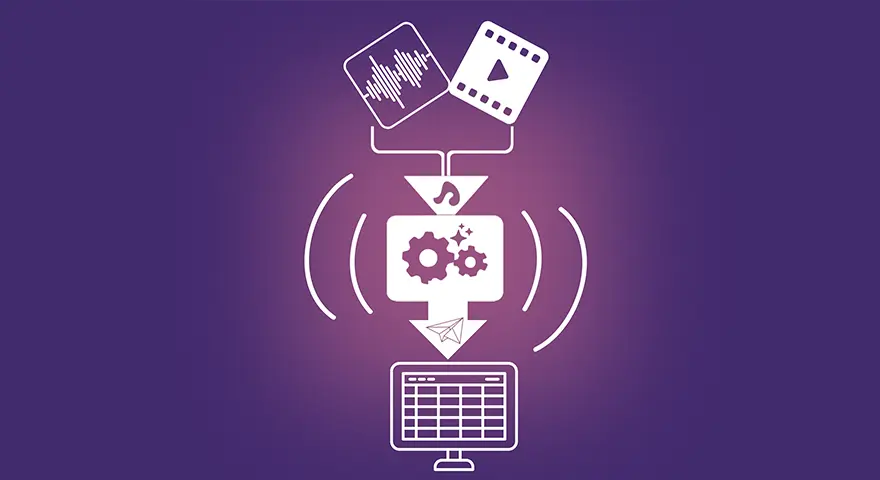
Musixmatch says the combination moves it from lyrics and music data into a “full-stack rights and royalties platform.” In practical terms, it brings together information and tools used to identify music, connect recordings to compositions and rights holders, administer licensing, process royalties, and create cue sheets for music used in audiovisual productions.
That’s a big piece of industry plumbing. And for working artists, better plumbing can make a meaningful difference, if the information flowing through it is accurate.

The quiet problem behind a missing royalty
A recording and the song embodied in it are related, but they aren’t the same rights asset. A recording points to a particular performance and master; the composition points to the underlying music and lyrics, with its own writers, shares, and publishers.
A distributor may deliver your recording to streaming services, but that alone doesn’t necessarily settle every publishing-rights detail. Different kinds of uses and royalties can involve different administrators, collection organizations, licenses, and reporting systems. The information has to line up across them.
Imagine a track listed as “Midnight Avenue” on a distributor’s dashboard, but “Midnight Ave.” in a rights database. Perhaps one collaborator’s name is spelled differently, a split was never finalized, or a recording isn’t connected to the correct composition. People may have the right information in separate places, but if the systems can’t match it confidently, payment can be delayed or held for review.
Musixmatch says the new platform will combine its music intelligence and metadata with Songdex’s registry and Blokur’s matching technology. Music Reports’ Cuetrak software, which helps prepare cue sheets for music used in audiovisual content, is also part of the deal. The company describes the goal as building a broad registry that connects recordings, compositions, and rights information.
The important word is connects. A bigger database is useful only when the underlying data is reliable and the right work can be matched to the right people.
Why AI makes the data work more urgent
Music is being created and used at a pace that puts pressure on systems built for a slower, less complicated landscape. AI tools add another layer: more music can be generated, adapted, distributed, or incorporated into digital content, while platforms need workable ways to identify what they’re using and understand the associated rights.
“When no one can identify who wrote a song, who owns it, or who should be paid, creators lose,” Musixmatch CEO Max Ciociola said in the announcement.
That doesn’t mean the acquisition will automatically make every artist’s royalties arrive faster. The companies haven’t announced a new payment schedule or promised a particular result for individual creators. The deal is about building the infrastructure that could help identify uses and match ownership information more effectively over time.
Musixmatch has already been expanding into music rights and AI-related services. It says it works with more than 250,000 rights owners and music publishers and nearly three million songwriters, as well as major streaming platforms. In 2025, it signed AI licensing agreements with Sony Music Publishing, Universal Music Publishing Group, and Warner Chappell covering more than 15 million works. This year it launched Sentinel, a real-time copyright detection service for AI and user-generated-content platforms; Suno became its first customer in August.
Those moves point to a broader shift: accurate rights data is becoming important not only for collecting royalties after a use, but also for determining what uses are authorized in the first place.
What independent artists can do today
You can’t control how quickly every platform improves its matching systems. You can make it easier for your music to be identified correctly when it gets there. A few careful habits now can save confusion later.
1. Register each work with complete information
Keep a dependable record of each song’s title, alternate titles, writers, publishers or administrators, and ownership shares. Make sure the information is submitted to the relevant organizations and services for your situation. A distributor’s release information and a song’s publishing information may serve different purposes, so don’t assume one submission covers everything.
2. Confirm splits with collaborators
Agree on shares while the song is fresh, not months later when someone needs to reconcile a statement. Put the agreement in writing and ensure every collaborator is using the same title, writer names, and share percentages when registering the work.
If a name is professionally stylized, shortened, or spelled differently across platforms, note the variations and use the correct identifying details where requested. Consistency helps systems distinguish between a genuine match and a near miss.
3. Know who administers your publishing
If you have a publishing administrator, publisher, or other rights representative, know what they handle and what remains your responsibility. If you’re collecting certain royalties directly, understand which registrations and account details you need to maintain. The right setup depends on your work, territory, and agreements. There isn’t one universal checklist for every artist.
4. Keep your master and composition details straight
Save the identifiers and release information associated with your recordings, along with the matching song details. When you release a new version, remix, feature, or live recording, check that the related credits and ownership information are clear and that the new recording isn’t being confused with another version.
5. Check statements and follow up on gaps
Don’t just scan a royalty statement for the total. Look for unfamiliar titles, missing collaborators, unexpected zeros, or recordings that seem absent. Keep copies of registrations, split agreements, and release metadata so you can ask your distributor, administrator, or relevant rights organization a specific question when something doesn’t add up.

Better matching is promising, but accuracy still starts with you
Musixmatch says the combined platform is intended to support the “next generation of agentic royalty management,” with AI agents identifying, matching, and reconciling music use while people remain in control. If that works as intended, it could help reduce the manual chasing and uncertainty that make rights administration feel distant from the creative work.
But no technology can reliably resolve every conflict if the source information is incomplete, contradictory, or never submitted. And no acquisition can erase the differences among royalty types, licensing arrangements, or collection systems overnight. The news is best understood as a major investment in the machinery behind payment, not a guarantee that every independent artist will see money sooner tomorrow.
Still, this is a meaningful change to watch. A company known for lyrics and music data is now bringing together more of the tools that help identify ownership, administer rights, and process royalties. If that infrastructure gets better at connecting a recording to the people behind the song, it may become easier for more uses of music to lead to the right creators.
For artists, the immediate move is simple: make your own catalog information as clear and consistent as you can. The more accurately your work is represented, the better chance new matching systems have to do their job, and the fewer loose ends stand between a song being heard and its creators being paid.