
Alibaba has cleared an important step toward listing its chip-design subsidiary T-Head in Hong Kong. The company announced on November 10 that the Hong Kong Stock Exchange had confirmed it could proceed with the proposed spin-off. T-Head had submitted a confidential listing application on September 11.
That is meaningful progress, but it is not a completed IPO. The offering’s size, structure and valuation have not been finalized, and the listing still depends on further steps, including approval from the Hong Kong Stock Exchange Listing Committee and completion of a required filing with China’s securities regulator.
T-Head is expected to remain an Alibaba subsidiary after the listing. The plan is not simply to cut ties. It is to give investors a clearer view of the chip business and give T-Head the opportunity to build a more distinct profile and access capital on its own.
For founders and business owners, that makes this news more than a story about a technology company preparing for public markets. It is a timely case study in what can happen when a specialized business starts to outgrow the structure around it.
What Alibaba has announced, and what remains undecided
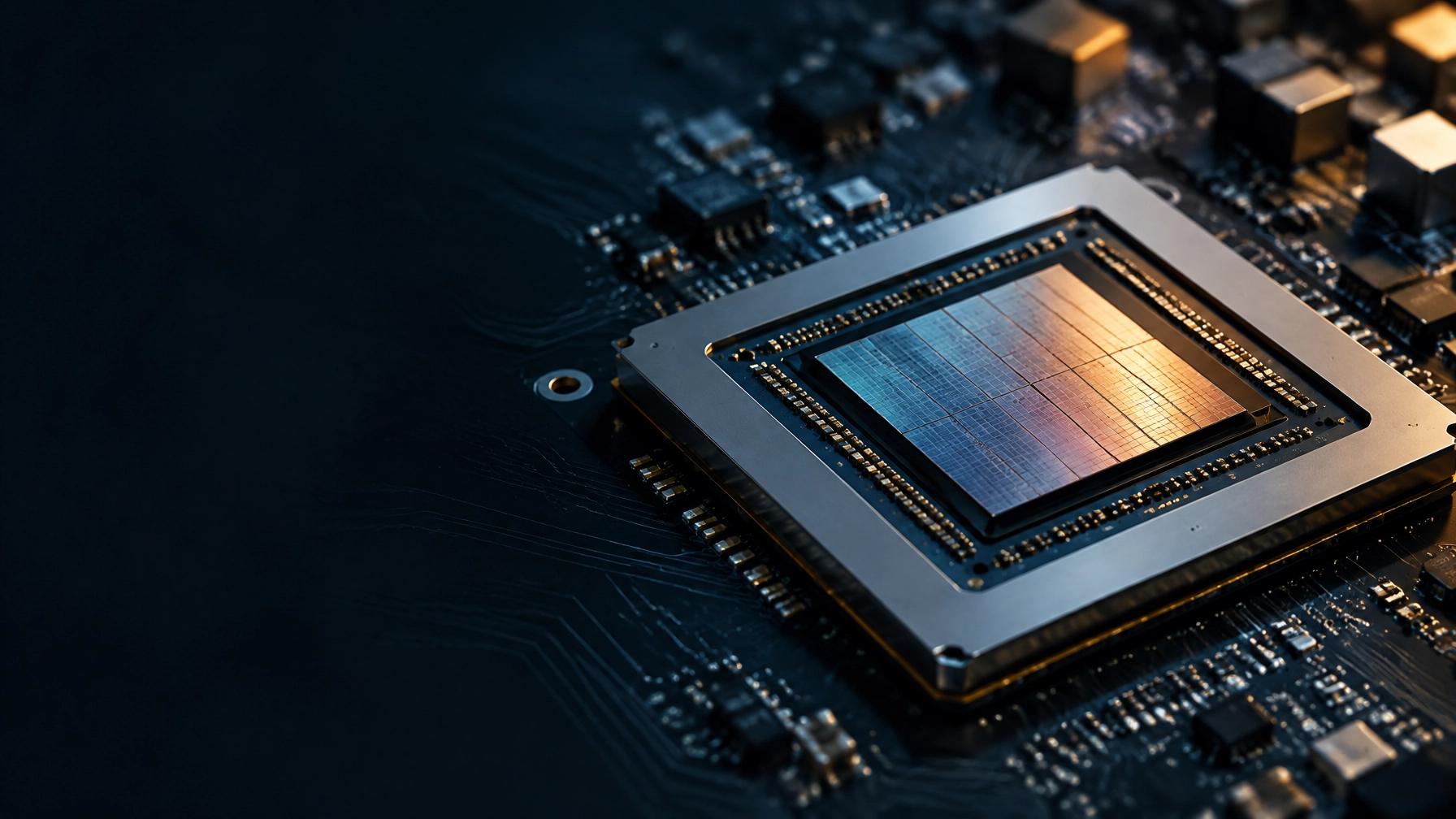
T-Head designs chips for data centers and offers what Alibaba describes as full-stack computing solutions. It is often described as an Nvidia rival, but that shorthand needs context. T-Head operates in the competitive data-center chip sector, yet that does not mean its product range, market position or resources are identical to Nvidia’s.
Alibaba’s proposal calls for a global offering of T-Head H shares. That would include a public offering in Hong Kong and a placing of shares with institutional and professional investors. The company has not announced the expected number of shares to be sold or how much of T-Head it plans to retain beyond confirming that T-Head is expected to remain a subsidiary.
Reports suggest the IPO could raise between $2 billion and $3 billion. That is a reported possible fundraising figure, not a confirmed offering size or valuation. Alibaba has said the details have not yet been finalized, so investors and industry watchers should treat early estimates as tentative.
The next phase is also subject to regulatory and corporate decisions. The proposed listing requires approval from the Hong Kong Stock Exchange Listing Committee, completion of the China Securities Regulatory Commission filing for the overseas offering and listing, and final decisions by Alibaba and T-Head. In other words, the announcement signals permission to advance the process, not a guarantee that the IPO will happen or a timetable for when it might.

Why give a chip business its own listing?
A large parent company can provide a new division with funding, customers and infrastructure. But as that division becomes more specialized, being bundled into a much broader business can make its performance harder for outsiders to assess.
Alibaba’s stated rationale is that a separate listing could help investors evaluate T-Head on its own merits while also making it easier to assess the rest of Alibaba’s business without T-Head included. A standalone profile may also make the chip unit more visible to potential customers, suppliers, partners and investors focused specifically on semiconductors.
There is a practical financial angle, too. A listed T-Head could access equity and debt markets independently in the future and potentially strengthen its ability to secure bank credit. That does not mean the company will automatically raise money on favorable terms. It means the business could have another route to financing if and when it makes sense.
The distinction matters. A spin-off listing is not just a branding exercise or a fresh ticker symbol. Done well, it can give a growing unit more direct accountability for its results and more room to make decisions suited to its own market. At the same time, Alibaba expects to retain an ownership connection, allowing T-Head to keep a place within the wider group.
The founder’s lesson: notice when the structure becomes a constraint
Most growing businesses will never plan a public listing. But the underlying question is relevant to companies of every size: does the structure that helped a new unit get started still help it succeed?
A business line may begin as an experiment inside a larger company. It benefits from shared staff, existing customers and the parent’s reputation. Over time, it may develop a different pace, customer base, funding need or operating culture. A structure that once made things easier can start to blur priorities or make the unit’s value difficult to see.
That is a moment to pause, not a signal to rush into a separation. Owners can start by asking:
- Is the unit’s performance visible? Can you track its revenue, costs and results separately enough to understand whether it is working?
- Does it need different resources? A fast-moving product team may need investment decisions that do not fit the parent company’s usual budget cycle.
- Are the goals aligned? The unit may need a different strategy from the rest of the business, but it should still support a coherent overall direction.
- Can it stand on its own operationally? Look at leadership, systems, customer relationships, legal obligations and shared services before changing ownership or governance.
- What would be gained, and what could be lost? Greater independence may bring focus and accountability, while reducing some of the benefits of shared resources and close coordination.
These questions can reveal options short of a spin-off, too. A separate budget, clearer reporting, a dedicated leadership team or a more formal internal business unit can sometimes give a team breathing room without creating the complexity of an external transaction.

Independence comes with scrutiny
Separate access to investors can create opportunity, but it also brings a higher level of examination. Public-market investors expect consistent reporting, clear governance and credible explanations of how a company plans to grow. Customers and partners may also look more closely at the company’s stability and strategic direction.
For founders, this is a useful reminder that independence is not just freedom. It is responsibility. Before separating a unit, leaders need to understand the costs of operating more independently, the decisions that will require oversight, and the way the unit will remain connected to its former parent.
Alibaba’s proposal also illustrates that a company cannot set the rules for a listing by itself. The Hong Kong Stock Exchange and Chinese regulators have roles in reviewing the process, alongside decisions by Alibaba and T-Head. A transaction may make strategic sense to the companies involved and still need to meet regulatory requirements before it can proceed.

That can be frustrating for a business eager to move quickly. But scrutiny is part of protecting investors and ensuring companies meet the requirements of the markets they want to enter. For leaders, the practical takeaway is to treat regulation as an element of the strategy from the beginning, not a final box to check after every other decision has been made.
A growth move, not a finish line
Alibaba’s T-Head announcement puts a spotlight on a bigger business question: how do you let a promising unit become more focused without losing the advantages of being part of a larger organization?
A separate listing could help investors assess T-Head more clearly and give the chip business more direct access to capital and commercial partners. Yet the proposal remains in progress, its financial details are unsettled, and the outcome is not guaranteed. The coming regulatory and corporate steps will determine whether the plan moves ahead.
For founders watching from the sidelines, the most useful lesson is not that every high-growth division should become a standalone company. It is that growth sometimes calls for a rethink of the container. When a unit’s needs, performance and ambitions have become distinct, leaders should examine whether its structure still fits, what a change would unlock and what new responsibilities would come with it.