

A record can have a long life after its release week, its first tour, and even its original audience’s first wave of memories. My Chemical Romance has just offered a striking reminder: The Black Parade has reached number one on the Billboard 200 for the first time in the band’s career, nearly twenty years after the album first arrived.
The chart result was reported over the weekend. For the tracking week ending October 29, the anniversary collection earned 78,000 equivalent album units, including 68,000 in pure sales. Vinyl contributed 42,000 sales, while streaming generated about 10,000 units from 10.14 million on-demand streams.
The release moved from number 139 to number one. That leap is more than a memorable chart moment. It is a case study in how an artist can give a beloved catalog title a fresh reason to matter.
The past became a new release
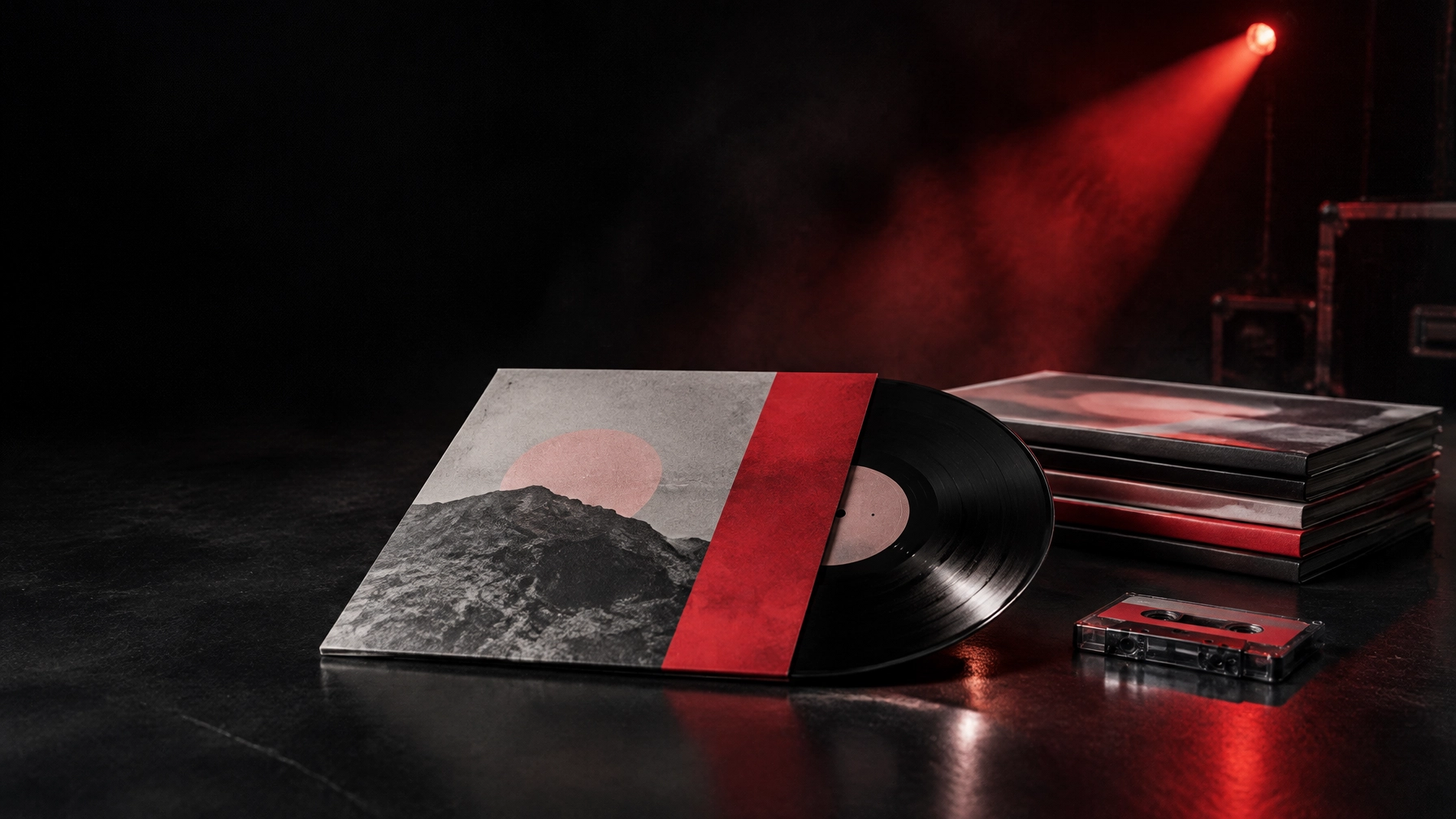
Released October 23 through Warner Records, The Black Parade (20th Anniversary) expanded collection gave fans a new way to experience an album they may have lived with for years. It brought the era’s tracks together in a single collection, added newly commissioned cover art by James Jean, and arrived in a range of physical editions.
Those editions included Bloodline Red, Baby Pink, and Concrete Grey vinyl, a Black and Tan Galaxy pressing exclusive to a retailer, and a limited One Step 180-gram audiophile edition capped at 7,000 copies. Across vinyl, CD, and cassette, the campaign offered more than twenty physical variants. Signed editions largely sold out.
That is a thoughtfully designed invitation to engage, not just a date stamped on an old product. A listener who already owns the original album can still find something new to explore: a different format, a collectible edition, a fresh visual interpretation, or a reason to revisit the songs as a complete story.

Your catalog is not finished inventory
For independent artists, the word “catalog” can sound like something reserved for major labels and established acts. In reality, it means every song, album, video, photograph, performance, and story you have already made.
Those works do not lose their value just because the original promotion has ended. They may find new listeners through a sync placement, a live performance clip, a social trend, a collaboration, a reissue, or a story that gives people a fresh reason to listen. A release that did not reach its full audience at the time may still be waiting for the right moment and the right presentation.
The audience for a twenty-year-old record is not simply the audience that bought it the first time. Some listeners are returning with memories attached. Others are hearing it for the first time, perhaps because a friend introduced it or a new artist named it as an influence. A strong catalog campaign can welcome both groups without assuming they want the same thing.
That difference matters. Longtime fans may value an archival detail or a premium pressing. New listeners may need an easy entry point, a compelling story, or a clear sense of why the work still resonates. The opportunity is to make the history meaningful in the present.
Give people a reason to come back
A successful anniversary edition is not just a countdown to a round number. It is a creative campaign built around a clear question: what can we offer now that makes this work feel worth revisiting?
For a band with dedicated collectors, the answer might include special artwork, a limited physical format, handwritten notes, or a carefully chosen selection of bonus material. For an independent singer-songwriter, it might be a stripped-back version of a fan favorite, a short film about making the record, or a small run of thoughtfully packaged CDs. For a producer, it could be alternate mixes, a breakdown of how a signature sound was made, or a session with collaborators.
The key is to add meaning, not simply scarcity. A limited edition can create urgency, but the most memorable campaigns also give fans a story they want to hold on to. If an item is signed, let the signature feel personal. If there is new artwork, connect it to the music. If there is bonus content, make it feel like a genuine window into the work.

Start planning before the anniversary arrives
Artists often think about anniversaries when the date is already close. A better approach is to mark potential milestones in advance and decide what each one could mean for the work and its audience.
A five-year mark might be a chance to share how a song has changed in the set list, or to revisit the choices behind a debut EP. Ten years could invite a fuller look at an album’s making, with reflections from collaborators and fans. Twenty years may call for a more substantial archival project, especially if there is material that has never been gathered or presented together.
You do not need to promise a major release years ahead. You do need to preserve the ingredients that could make one possible. Keep final mixes, masters, artwork files, photographs, video, lyric drafts, credits, session notes, and permissions organized. Make a record of who contributed and where the assets live. A future campaign is much easier to build when the history is documented instead of reconstructed from memory.
A simple milestone plan can help:
- Choose the moment. List release anniversaries and identify which projects still feel important to you and your fans.
- Look for a fresh angle. What could make this work newly relevant: an unreleased recording, a new format, a conversation, or an update on its influence?
- Match the offer to your audience. Ask what longtime fans might treasure and what a first-time listener would need to discover the work.
- Build the story alongside the product. Gather photos, reflections, credits, and behind-the-scenes details before the campaign begins.
- Make a realistic plan. A meaningful anniversary does not have to mean a costly box set. A digital archive, a small physical run, or a live performance can be enough.
Collectors matter, but access matters too
Physical editions can be powerful because they give fans something tangible to keep, display, and revisit. The variety around The Black Parade offered different points of entry, from distinctive colored vinyl to a limited audiophile pressing. But a campaign should not assume every listener collects records or can afford multiple editions.
Think in layers. Offer a welcoming way to hear the music, then give dedicated fans a chance to go deeper. That might mean pairing a standard edition with an optional collectible, or sharing archival stories and listening notes alongside the release. The goal is not to make every fan buy everything. It is to help each fan find a version of the experience that feels right for them.
For emerging artists especially, a small, well-made edition can be more valuable than a sprawling product range. A signed insert, a thoughtful liner note, or a clear explanation of why a song mattered may create a stronger connection than a stack of variants with no story behind them.

The next audience may be just arriving
My Chemical Romance’s number one is an extraordinary outcome, but the lesson is useful at every scale: a release date is a beginning, not a deadline for attention. Music keeps meeting new lives. A listener changes; a community grows; a song acquires fresh context. Sometimes the work needs a new doorway.
Treat your catalog as part of your creative future. Keep it organized. Notice the stories fans continue to tell about it. Plan for the milestones that give those stories room to grow. And when you bring an older release back into focus, make sure you are offering more than nostalgia: offer a reason to listen again, or to listen for the very first time.