

A big funding round can make a founder’s story look like an overnight success. Northwood Space’s announcement today, November 2, is a reminder that the most compelling breakthroughs often have a much longer runway.
The Torrance, California company has raised $375 million in a Series C round, valuing Northwood at $2 billion. Andreessen Horowitz and DFJ Growth co-led the investment, with participation from Alpine Space Ventures, Washington Harbour Partners, StepStone Activate and In-Q-Tel. A separate, multi-year credit facility from HSBC Innovation Banking will also support the company’s growth.
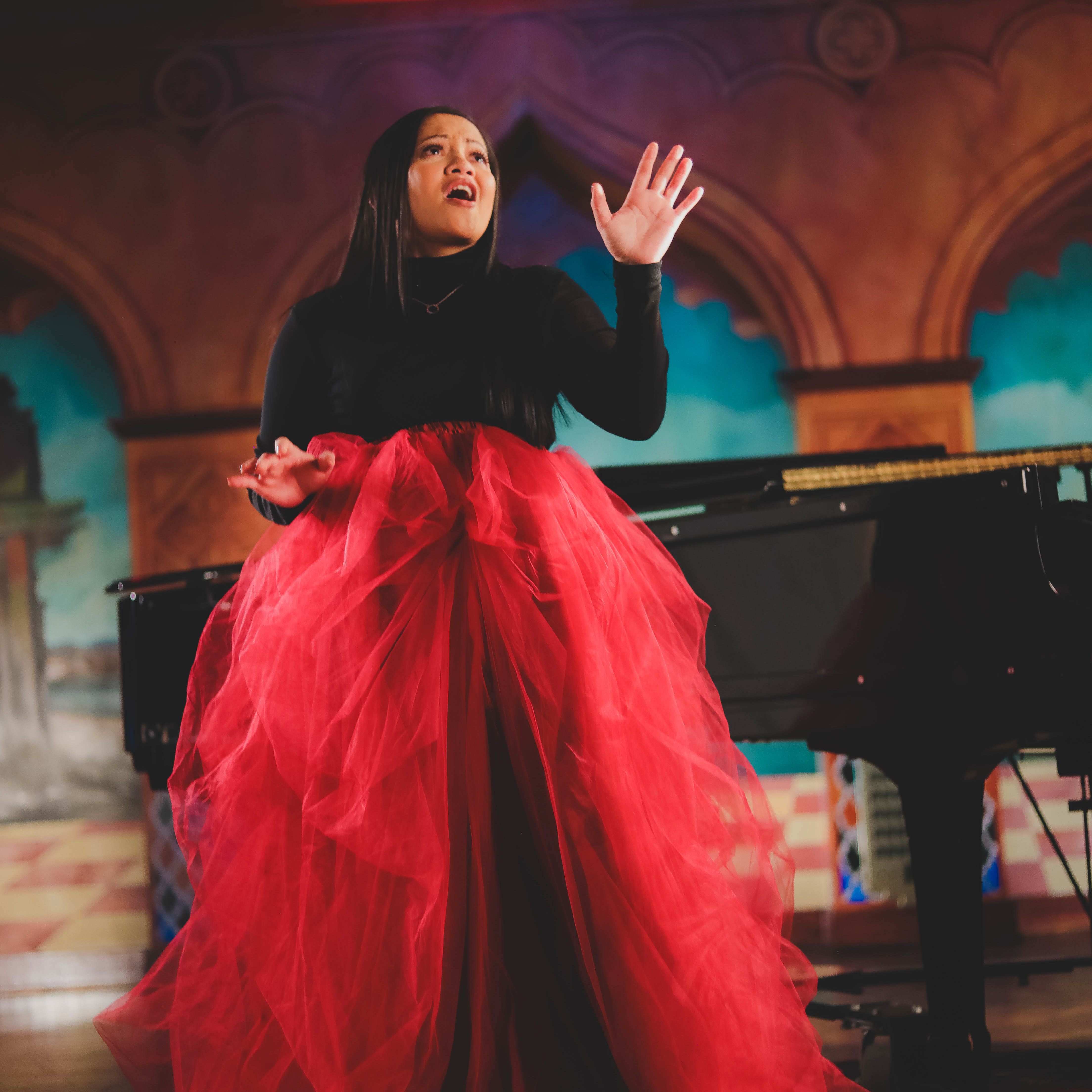
At the center of the story is CEO and co-founder Bridgit Mendler, once known to audiences as a Disney Channel actor and pop artist. Today, she is leading a company focused on a less visible but essential part of the space economy: the infrastructure that lets satellites communicate with Earth.
It’s a striking career reinvention. But the lesson isn’t that anyone can jump from one industry to another on a hunch. It’s that a second act can take shape when curiosity is matched with serious preparation, a willingness to tackle overlooked problems and the patience to build credibility before the market catches up.
The business behind the headline
Satellites may capture the public imagination, but they can’t do their jobs without equipment on the ground. Operators need antennas and network access to send commands up to spacecraft and receive data back down. Building and maintaining that ground infrastructure independently can be expensive and time-consuming.
Northwood’s approach is to make that connection more accessible through a shared, multi-orbit network. Instead of every satellite operator building out its own ground segment, customers can use capacity across Northwood’s network, in a model the company describes as similar to cloud infrastructure.
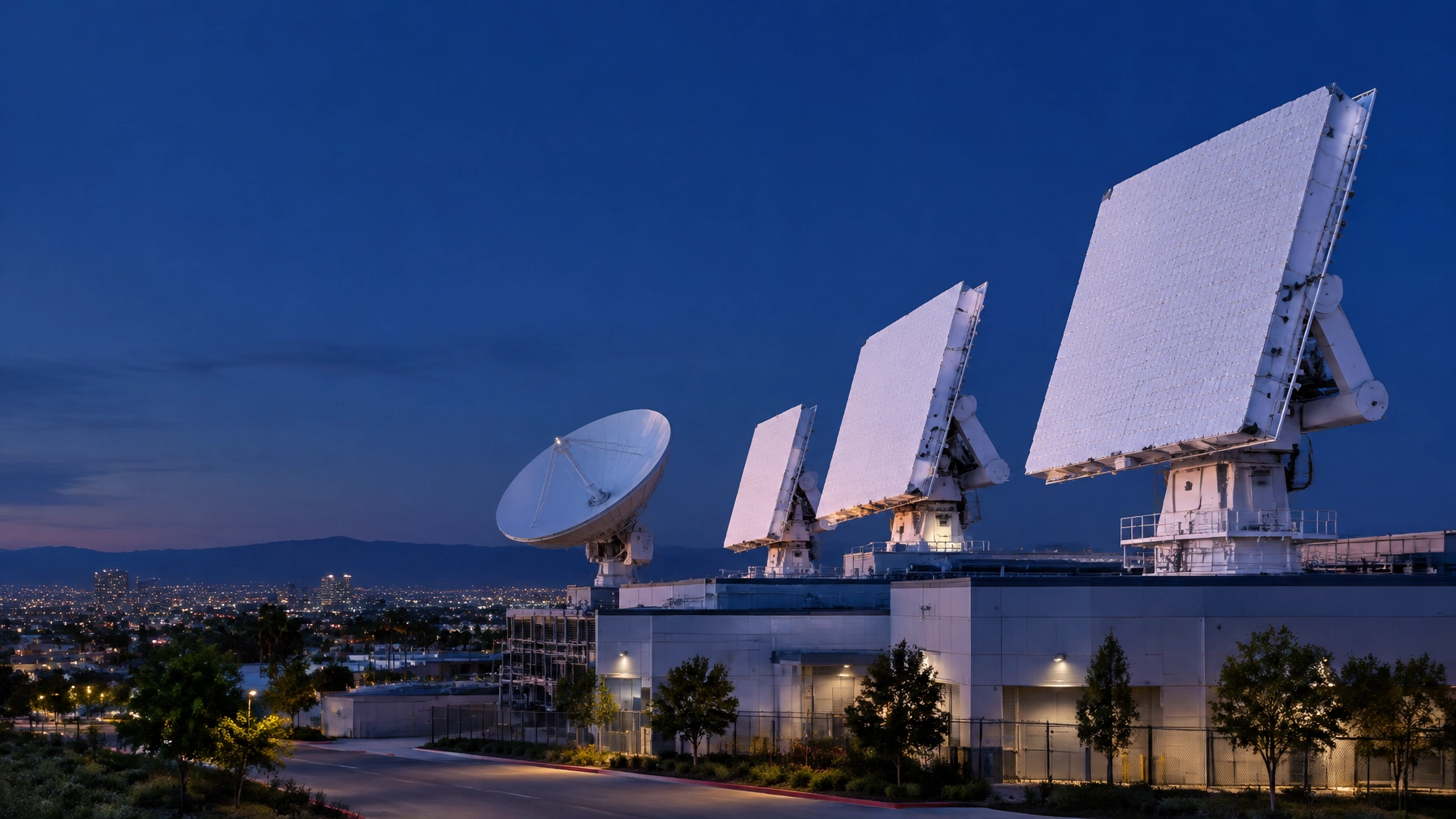
The company makes two antenna systems. Portal is a phased-array antenna designed for satellite command and control. Prism is a high-throughput parabolic antenna built to move large amounts of data. Together with Northwood’s software and network operations, they’re intended to serve missions across different orbits and customer needs.

That may not sound as dazzling as launching a rocket. But as the number of satellites and missions grows, the ground connection becomes increasingly important. If operators can’t reliably communicate with their spacecraft or move data from orbit, even a sophisticated satellite is limited by what it can do.
That’s the founder lesson hiding inside the funding news: sometimes the opportunity isn’t to build the most visible product in a booming industry. It’s to build the layer that helps the whole industry work.
A second act with real preparation behind it
Mendler’s earlier career unfolded in a very different spotlight. She appeared on Disney Channel, including in Good Luck Charlie and Wizards of Waverly Place, and built a music career. She later pursued graduate studies at MIT and attended Harvard Law School before co-founding Northwood in 2022 with her husband, Griffin Cleverly, and Shaurya Luthra.
That path matters not because every founder needs an elite academic résumé, but because it illustrates the difference between a casual pivot and a considered one. Moving into a technical, highly regulated industry means learning its language, understanding its constraints and earning the trust of people who have spent years working in it.
A career change can begin with a moment of inspiration. Building a business in a new field requires much more: research, relationships, persistence and the humility to keep learning. Mendler’s story offers a useful reminder that past experience doesn’t have to define the limits of a person’s future. It can become one chapter in a longer, more surprising career.
There’s also a timing lesson. Northwood was founded in 2022, and the company has spent years building its hardware, network and customer relationships. It raised a $100 million Series B in January 2026. Today’s round is a major milestone, but it follows a period of groundwork that began well before a $2 billion valuation entered the conversation.
Second acts are real. They just rarely arrive fully formed.
The unglamorous bottleneck can be the big opportunity
Entrepreneurs are often drawn to the most visible part of an industry: the app, the device, the launch or the consumer experience. Northwood’s bet is on the infrastructure underneath the headline-making technology.
That kind of opportunity can be easy to overlook. Infrastructure is often complex, capital-intensive and slow to explain. It may not be the thing customers talk about first. Yet if an entire sector depends on it, solving that problem can create lasting value.
Northwood’s growth plans make the scale of the challenge clear. The new funding will support expansion of its global ground network, faster antenna production at its Torrance facility and 400 new hires. The company has also announced a $50 million U.S. Space Force contract supporting the Satellite Control Network, alongside work with commercial satellite operators.

For founders looking at a fast-growing market, the useful question may be: What does everyone in this industry need, but no one has made easy to access?
The answer might be manufacturing capacity, logistics, security, payments, distribution or data infrastructure. It may not be the most glamorous piece of the story. But a bottleneck that affects many customers can be a more durable business opportunity than a feature designed for just one.
What founders can take from Northwood’s moment
Northwood’s Series C is a reminder that ambition is only the beginning. Turning an insight into a company takes a sequence of practical choices. A few lessons stand out:
Learn the industry before trying to change it. If you’re entering a new field, invest time in understanding its rules, customers and technical realities. Ask questions. Study the parts that seem intimidating. Preparation helps turn a big idea into a credible plan.
Look for the shared pain point. A problem that affects many players can point to a platform or service with broader value. Northwood’s shared network is designed to reduce the need for each operator to build its own ground infrastructure.
Build trust before you need scale. In fields where reliability matters, customers want evidence that a solution works. Early demonstrations, thoughtful execution and dependable service can help a young company earn the confidence required to take on larger commitments.
Give the timeline room to be real. The public tends to notice the funding announcement, not the years spent developing products, hiring specialists and working through customer needs. Founders need milestones, but they also need patience with the work between them.

A bigger network, and a longer view
Northwood’s $375 million raise is a major vote of confidence in the company and in the need for more capable satellite ground infrastructure. The company now has the capital to expand its network and manufacturing, serve more customers and grow its team.
For Mendler, the moment also brings a very public milestone in a career that has crossed entertainment, education and entrepreneurship. The most useful takeaway isn’t that a familiar face can become a tech founder. It’s that reinvention becomes more meaningful when it’s backed by preparation and a clear view of what the market needs.
A second act doesn’t require abandoning the first. It can mean carrying forward the curiosity and discipline you’ve developed, then applying them to a problem worth solving. And sometimes the biggest opportunity is not in the spotlight, but in building what makes the spotlight possible.