


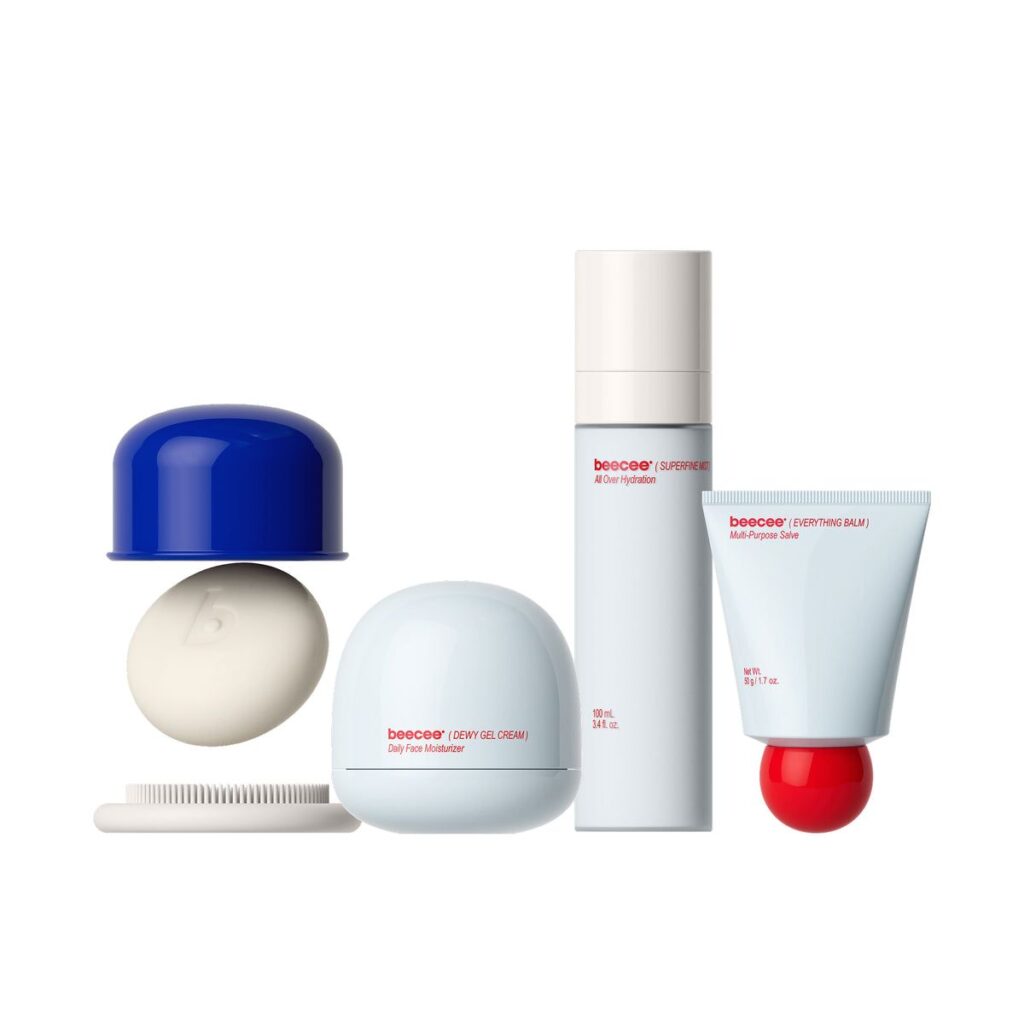
There is an understandable temptation to make Gregg Renfrew’s latest move a story about a comeback. She founded Beautycounter, left the company, returned, and now has launched a new personal care brand. But the more revealing detail is not simply that she is beginning again. It is how carefully she is choosing to begin.
In an interview published November 22, 2026, Renfrew discussed beecee, which debuted this fall with a focused collection of beauty essentials. Her near-term plan is to get the brand’s direct-to-consumer foundation right, stay close to customers, and learn before expanding. For a founder who has already built a beauty company valued at 1 billion dollars, that restraint is a strategy in its own right.
The sequence matters. Start with a small collection. Build one primary channel. Pay attention to what people actually respond to. Then decide what deserves to come next.
A new venture, built with experience
Renfrew founded Beautycounter in 2013, building a clean beauty company based in Santa Monica, California. In April 2021, The Carlyle Group acquired a majority share in a deal that valued the company at 1 billion dollars. Renfrew left Beautycounter in 2023 and returned as its chief executive in 2024.
Now, she is building something new alongside that history. beecee’s first collection includes a petrolatum-free alternative to the classic multipurpose ointment, a dewy gel face cream, a face and body mist, and a soap-free cleansing bar with a three-in-one case designed to travel, store, and exfoliate.
The line is intentionally curated. Rather than making a sprawling launch look like proof of ambition, beecee starts with a handful of everyday essentials. That makes the assortment easier to explain, and it gives the team a clearer way to listen: Which products earn a place in someone’s routine? What do customers ask for next? Where does the experience need to improve?


That approach is especially relevant as the brand speaks to Gen Z. Renfrew describes young customers as already informed and curious about ingredients, health, the brands they support, and the messages those brands put into the world. The goal, she said, is to build with them rather than market at them.
That is more than a message about audience. It changes the order of operations. If customers are meant to help shape what a brand becomes, listening cannot be a box to tick after a launch. It has to be part of how the launch works.
Confidence can come after the first step
One of Renfrew’s most useful reflections in the interview is also one of the most relatable: she wishes she had understood earlier that confidence does not come from having all the answers. It comes from being willing to try, learn, ask questions, and keep going.
beecee puts two of its stated values in simple words: “question” and “try.” Together, they describe a practical way to work when certainty is out of reach. Questioning gives a founder permission to admit what they do not know, seek useful feedback, and adjust. Trying gives them permission to start before every detail feels perfect.
That combination is important because founders often wait for confidence as if it is a prerequisite. They tell themselves that they will test an idea once the product is finished, pitch the partnership once the deck is flawless, or ask customers for input once the business has a polished answer. But confidence can be the result of action, not the entry ticket.
A small experiment offers information a long planning session cannot. A customer’s reaction, a repeat purchase, a question that comes up again and again: each can help replace assumptions with evidence. The point is not to rush. It is to keep the learning loop moving.
Renfrew was honoured at the National Women’s History Museum’s 15th annual Women Making History Awards on November 6 at Chicago’s Navy Pier. The recognition sits alongside a new chapter that is less about replaying an old success than deciding what to do next with the experience behind it.
Why direct to consumer comes first
For beecee, the immediate focus is getting direct-to-consumer right. Renfrew says that channel will let the team remain close to the community and understand what customers respond to before scaling. She sees possibilities over time to expand the assortment, move into new categories, and explore retail partnerships. But she has stressed that the order matters: growth should come from what consumers say and where the brand can add value, not from expansion for its own sake.
That distinction is worth holding onto. A new channel may look like reach, but it also adds complexity. A wider assortment can offer more choice, but it also makes it harder to know which product is doing the work. Scaling is not automatically progress if the business has not yet learned what its customers need.
Starting with one channel does not mean ignoring future opportunity. It means earning the right to pursue it. The same goes for adding products. A brand can be ambitious while keeping its first decisions narrow.

How to borrow the sequencing discipline
Most founders do not have Renfrew’s track record or resources. They can still use the underlying discipline. The goal is not to imitate a beauty brand’s launch plan; it is to make each next move answer a real question.
- Launch fewer products than feels impressive. Pick the smallest offer that lets you show what you do well and learn whether customers want it.
- Own one channel before adding a second. Choose the place where you can serve customers consistently, understand their behavior, and respond to what they tell you.
- Name the signal you need in advance. Write down what customer response would justify adding a product or exploring a retailer. A clear signal helps keep expansion from becoming a reaction to excitement or pressure.
- Treat a small line as a faster learning loop. Fewer moving parts make it easier to spot what resonates, what confuses people, and what is worth improving. A smaller launch can be a more direct route to a stronger next step, not a smaller ambition.
Before adding a product or channel, ask:
- What customer need are we answering? Be specific about the problem or desire behind the decision.
- What evidence do we have? Separate repeated customer signals from internal enthusiasm or guesswork.
- Can we deliver the experience well? Consider the work required to maintain quality and serve people consistently.
- What will we learn if we wait? Sometimes a little more listening can save a lot of unnecessary complexity.

Renfrew’s story is not a fall from grace followed by redemption. She left Beautycounter, returned as its chief executive, and has now launched beecee alongside that legacy. The useful lesson is the way she is approaching the new work: ask, try, listen, and let what customers tell you shape what follows.
Starting again does not mean going backwards. It means bringing what you have learned into a new beginning, and having the patience to let the next step earn its place.