


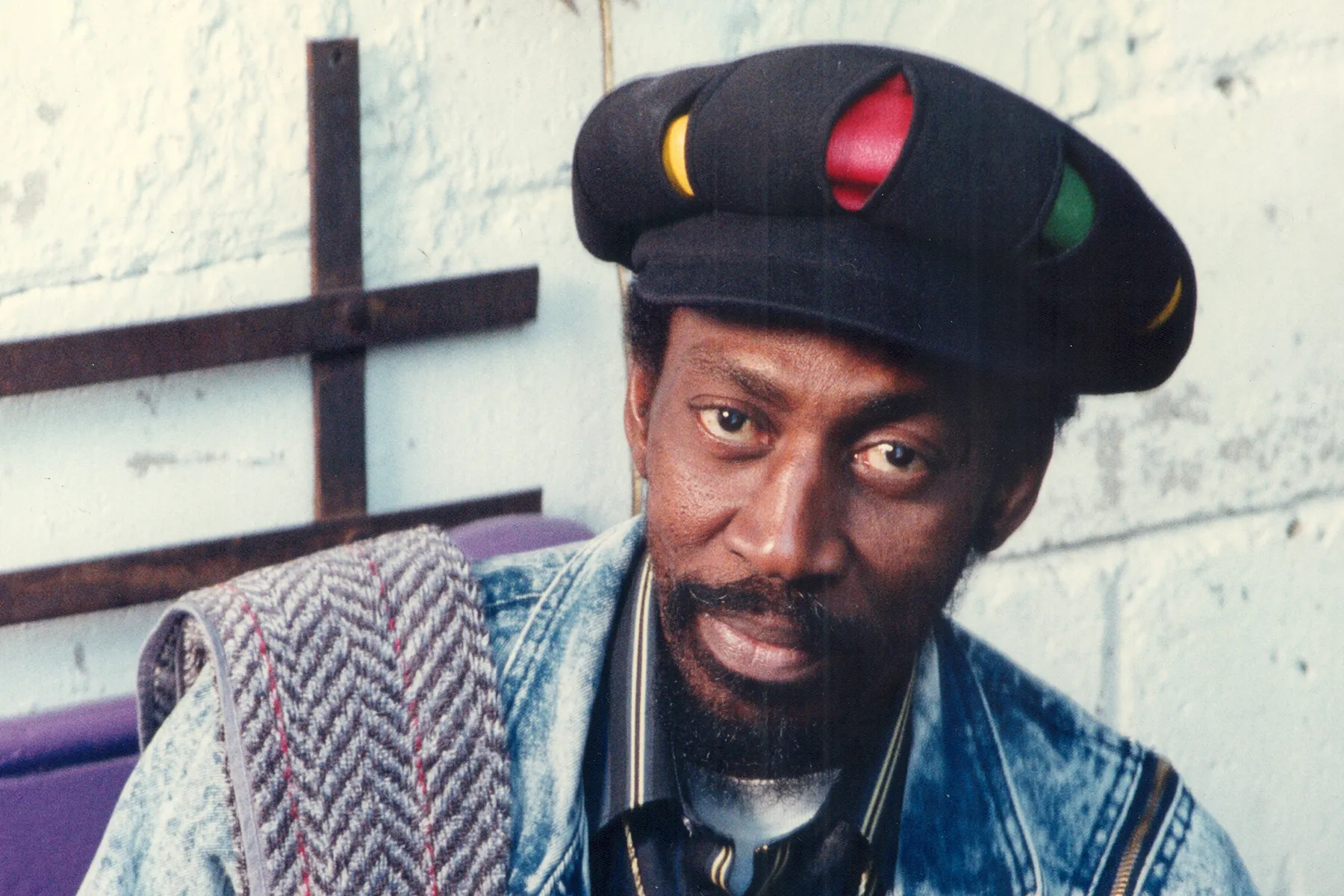
The world today is loud. Too loud. We argue more than we listen, scroll more than we read, and fear more than we feel. Somewhere between hashtags and headlines, we forgot what a real voice of change sounds like. Then comes Bunny Wailer’s Liberation, revived and remastered, cutting through the noise with a message that still burns.
Originally released in 1989, Liberation came from a man who understood struggle in his bones. Bunny Wailer was not chasing hits or trends. He was channeling truth. The album landed at the tail end of the Cold War, during a time when protest and hope lived side by side. It was his sermon to a restless world. Decades later, that sermon still hits home.
A Revolutionary Without the Spotlight
Bunny Wailer was never the loudest in the room, but he was often the most deliberate. While Bob Marley became the global face of reggae, Bunny chose a quieter path, one that stayed closer to the roots of Rastafari. His music felt more grounded, more personal, more prophetic. He did not preach from a stage of fame but from a place of faith.
When he recorded Liberation, the goal was not to entertain but to awaken. It was music for the soul and the streets, songs that made you move and think at the same time. Each track was layered with rhythm and rebellion. He spoke about the fight for equality, the corruption of power, and the strength of community.
What makes Liberation so important now is that those same themes still haunt us. We are still marching, still demanding justice, still learning how to stand together. The world feels stuck in the same loop Bunny was singing about thirty years ago.
The Roots Still Run Deep
The album’s remastering is not just a technical upgrade. It is a cultural one. The clarity of the sound only amplifies how raw and fearless his message was. You can hear the heartbeat of Jamaica in the drums, the pulse of rebellion in the bass, and the prayer in his voice.
“Rise and Shine” feels like a rallying cry for anyone trying to find purpose in chaos. “Want to Come Home” speaks to a kind of exile that goes beyond borders, a longing for belonging that many still feel today. Even in the moments of peace, there is urgency. Bunny was warning us not to get comfortable with oppression.
He built his sound around discipline and devotion. Every chord carried intention. Every lyric felt like scripture. Listening to the remastered Liberation is like reading a sacred text for the modern era, one that speaks directly to the spirit of resistance.
The Soundtrack of Awareness
Today’s music scene is full of protest songs that echo anger but not always clarity. Bunny’s music did both. He made you feel righteous without being reckless. That balance is rare.
In Liberation, you hear a man who believed in change but never lost his grounding in love. His activism was spiritual, not performative. He knew that true rebellion starts in the heart, not the headline.
Maybe that is why the album still feels fresh. It reminds us that revolution without reflection is empty. Bunny did not just call for justice; he called for transformation. And that hits differently in an era of fleeting outrage and short attention spans.

Lessons for a New Generation
You do not have to be a reggae fan to understand Liberation. You just have to be human. The album speaks to everyone trying to make sense of a world that often feels senseless. It challenges us to rise above fear and confusion, to seek truth in the middle of noise.
Bunny Wailer’s passing in 2021 left a silence that reggae still feels, but this re-release fills part of that space with purpose. The Remastered Trinity series, which includes Rock ’n’ Groove, Rootsman Skankin’, and Liberation, is not about nostalgia. It is about continuity. It reminds us that voices like Bunny’s never really die. They just wait for us to listen again.
The Return of a Prophet
Bunny’s vision was never limited to Jamaica. He saw a global family divided by systems and greed. His idea of liberation was not just political freedom but spiritual cleansing. He wanted people to understand that change begins with awareness, and awareness begins with love.
In that sense, this remastered Liberation is not a trip to the past. It is a bridge to the present. It gives us a blueprint for how to survive with dignity in a world that constantly tests our faith and patience.
The irony is that in a time when technology makes everything louder, it takes an album from 1989 to remind us of silence, the kind of silence that lets wisdom in.
Bunny Wailer’s Liberation is not just history. It is prophecy replayed. The same rhythm that once fueled resistance now calls us to reflection. And if we listen closely, it might just teach us how to heal.
WATCH ROOTSMAN SKANKIN VIDEO BELOW: