



Apple has had a remarkable week. On October 14, the company closed above a $5 trillion market capitalization for the first time, joining Nvidia in a club with only two members. Two days later, pre-order stock for its new foldable iPhone Duo reportedly sold out within minutes, with delivery estimates for new orders moving into January 2027.
The starting price? $1,999.
For business owners, that combination is worth a closer look, not because every company should aim for a trillion-dollar valuation or charge luxury prices, but because Apple is showing what can happen when people see a product as more than a collection of features. They see a new experience they want to be part of.
The useful question isn’t simply, “How do I sell out?” It’s, “How do I build something people value enough to seek out?”


First, separate the headline from the lesson
Apple’s market value reflects what investors believe the entire company may be worth, based on expectations about its business, products, and future performance. The new phone may be part of the broader product story, but a stock-market milestone is not proof that one launch created that value.
The preorder rush needs similar context. A sellout tells us that demand exceeded the initial supply available for pre-order. It doesn’t tell us exactly how many devices were sold, how broad the eventual customer base will be, or whether demand will stay just as strong once more inventory becomes available.
That distinction matters for smaller businesses. A launch-week rush can be exciting, but the deeper measure is what happens after the first wave: Do customers still want the product? Do they recommend it? Does it solve a problem well enough to earn repeat business?
The Duo’s early response is a strong signal of attention and brand pull. It’s not yet a verdict on long-term demand. That’s a valuable lesson in itself: celebrate the signal, then keep testing what it means.
1. Create a reason to care that goes beyond the specs
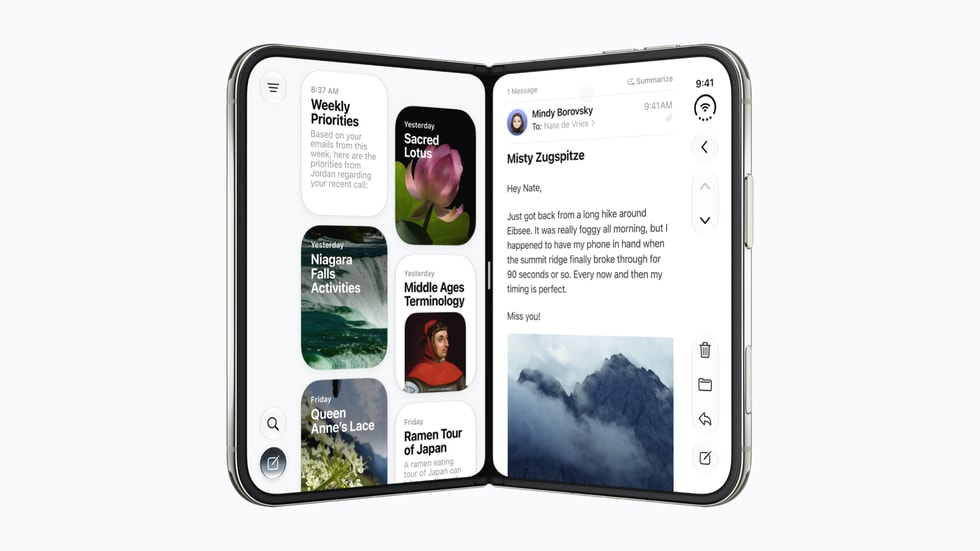
A foldable screen is a feature. The more compelling promise is what that screen lets someone do: carry a pocket-sized phone, then open it into a larger space for viewing, gaming, or multitasking.
Apple’s own product details describe a 7.6-inch inner display and a 5.4-inch outer display. But customers don’t necessarily fall in love with measurements. They respond to what those measurements make possible in their daily lives.
That shift, from feature to felt benefit, is something any business can practice. A bakery doesn’t just sell bread; it might offer a memorable weekend ritual. A consultant doesn’t just sell hours; they help a client make a difficult decision with more confidence. An independent artist doesn’t just release a track; they create a sound and story listeners want to return to.
Try describing your offer without leading with its technical details. What changes for the customer? What frustration fades? What becomes easier, more enjoyable, or newly possible? If the answer feels vague, that’s a useful prompt to sharpen the product experience, not just the advertising.
2. Premium pricing has to be supported by real value
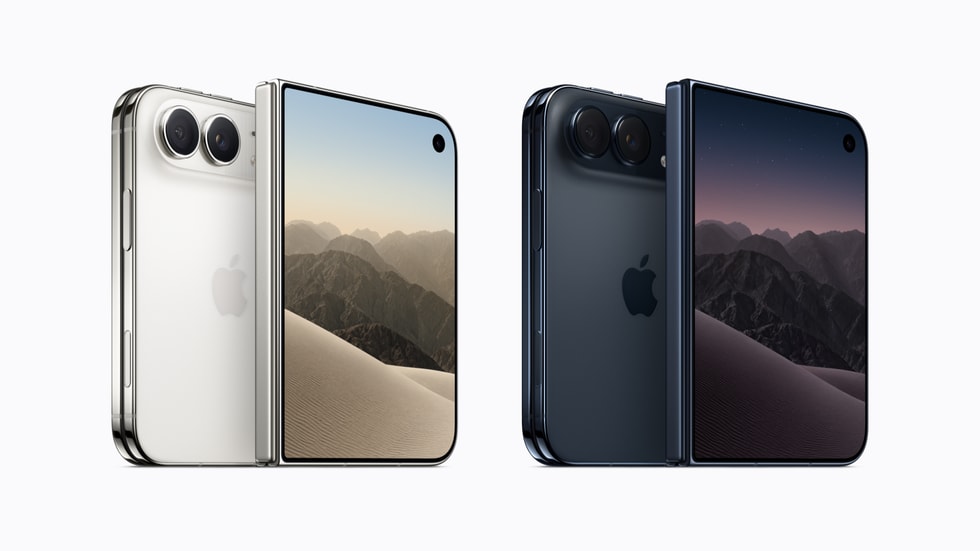
At $1,999, the iPhone Duo makes a very clear premium-positioning choice. Apple isn’t presenting it as a small upgrade for every shopper. It’s a new form factor, at a higher price, for customers who believe the experience is worth paying for.
That’s not permission to raise prices simply because a product is in demand. A premium price works when the customer can see and feel the difference: better performance, distinctive design, exceptional service, saved time, a strong reputation, or a combination of these.
It also helps to understand the whole buying decision. Apple offers installment and leasing options, trade-in credit, and carrier deals. Those choices don’t change the starting price, but they can make the purchase feel more manageable for eligible customers.
For a smaller business, the practical takeaway is to make the value easier to understand and the purchase easier to navigate, without hiding the cost. Consider whether a clear package, payment schedule, trial, or upgrade path could reduce friction while preserving the quality and margin your business needs.
3. Make the product feel like a category, not a commodity
When customers compare products only by price, it’s hard to stand out. A company can change that comparison by offering something distinct enough that people don’t see it as interchangeable with the alternatives.
The Duo’s proposition is not just “another phone with a screen.” It combines a familiar pocket-sized device with a larger fold-out display and software designed to adapt. Whether every customer needs that combination is another question. But it gives interested buyers a specific experience to imagine, and talk about.
Business owners can look for the same opportunity at their own scale. Is there a customer need being served in a piecemeal way? Can you bring together two benefits that people usually have to choose between? Could your service, product, or creative work become known for an approach that competitors can’t easily copy?
You don’t need to invent an entirely new industry. Sometimes category-making starts with a more thoughtful format, a better customer journey, or a particular combination of quality and convenience. The key is that the difference should be meaningful to the person buying, not merely novel to the person selling.
4. Build the audience before you need the rush
Apple’s preorder moment did not begin when the buy button appeared. The company had already introduced the product, explained its features, shown how it could be used, and given prospective buyers time to picture it in their lives.
That kind of groundwork matters for businesses of every size. If customers hear about an offer for the first time at checkout, they have little reason to act quickly. When they’ve followed the development, understood the benefit, and come to trust the people behind it, a launch can feel like the natural next step.
A small business can build that readiness without a giant marketing budget. Share useful progress updates. Show the product in context. Explain who it’s for, and who it might not suit. Invite early customers to try it and offer honest feedback. Keep your promises, especially when the audience is still small enough that every experience is personal.
For creators and independent artists, this might mean letting listeners into the making of a project, sharing the story behind a release, or creating a consistent connection between the work and the community around it. Attention is valuable, but attention built on trust is much more likely to become lasting support.
5. Treat scarcity as a signal, not a strategy
A limited first allocation can create urgency, but artificial scarcity is a risky substitute for a good product. If customers sense that a business is manufacturing pressure instead of delivering value, trust can disappear quickly.
Apple’s sold-out preorders are an early indicator that interest exceeded the available launch stock. The next evidence to watch is whether demand continues when supply catches up, whether customers are happy with the device, and whether the product earns a place in people’s routines. For other businesses, the equivalent is watching repeat purchases, referrals, waitlist conversions, returns, and customer feedback, not just the initial spike.
If you’re planning a launch, set expectations clearly. Be honest about the number of units you can produce or the appointments you can take. Use a waitlist to organize genuine interest, not to imply a shortage that doesn’t exist. A smooth experience after the initial rush is part of the product too.
The business takeaway: earn demand before trying to accelerate it
Apple’s $5 trillion milestone and the iPhone Duo’s rapid sellout are different events, and neither guarantees what comes next. Together, though, they highlight a powerful principle: lasting pricing power is earned when a company creates an experience people recognize as distinct, then builds the trust and desire to match it.
For your business, start small and concrete. Identify a customer problem you can solve unusually well. Make the benefit clear. Price the offer in a way that reflects its value. Build relationships before launch day. Then measure what happens after the first wave of excitement.
Demand is more than a crowd at the door. It’s customers who understand why your work matters, and choose it because of that.
For more timely business stories and insights, explore Digital Buzz Now’s Business coverage.