

ILLIT’s fifth mini album, BREAK EVEN, has reached a first for the group in the United States: No. 1 on Billboard’s Top Album Sales chart. On the Billboard 200 dated November 14, the release also debuted at No. 6, giving the group its first top 10 there.
The numbers behind those rankings tell a useful story for artists building an audience in a streaming-first era. BREAK EVEN earned 37,000 equivalent album units in its first U.S. week. Traditional album sales accounted for 32,500 of them. Streaming contributed another 4,500 equivalent album units, from 4.87 million on-demand audio streams.
That is a substantial streaming audience. But it is the sales figure that helps explain why the album reached No. 1 on a chart focused specifically on purchased albums. ILLIT also set a new U.S. first-week sales record for the group.
The takeaway is not that streams have stopped mattering. It is that “album chart success” can describe different things, and that committed fans who choose to buy can make a very visible difference.

Two chart positions, two different measurements
The names can be easy to blur together, but Billboard’s Top Album Sales chart and Billboard 200 measure different aspects of an album’s performance.
Top Album Sales focuses on album purchases. In simple terms, it answers: which albums sold the most copies during the tracking period? BREAK EVEN landing at No. 1 means it led that sales-focused ranking for the week.
The Billboard 200 is broader. It ranks albums using equivalent album units, bringing traditional purchases together with activity such as streaming. That is the chart where BREAK EVEN opened at No. 6. Its position reflects a mix of sales and listening, rather than purchases alone.
For ILLIT, the two placements reveal different kinds of momentum. The No. 1 says the album moved a lot of copies compared with other releases that week. The No. 6 says it also performed strongly when a wider set of album-consumption activity was considered.
And the figures show just how much of the opening week came from purchases. Of the 37,000 equivalent album units, 32,500 were traditional sales. Streaming generated 4,500 equivalent album units, corresponding to 4.87 million on-demand audio streams.
Those numbers do not mean an individual sale is always worth more than an individual stream. Chart calculations distinguish between formats, and the two totals are not a simple one-for-one comparison. They do show, however, that when a chart is built around sales, fans who actually purchase an album provide a particularly direct contribution.
Why committed fans matter beyond the play count
Streaming is essential for discovery. A listener can find a new artist through a playlist, replay a favorite track, share a song with friends, or return to an album over time. That kind of ongoing attention can help build a career.
But a stream is not the same signal as a purchase. A casual listener may play a track once and move on. A fan who buys an album is making a more deliberate decision: this release matters enough to spend money on, and perhaps to keep, gift, or collect.
For artists, that distinction is valuable. Streams can help show that music is reaching people. Sales can show that a portion of those people is ready to take a concrete step in support of the work. A healthy fan base can include both groups, but the second group is especially important when an artist is planning a release campaign.
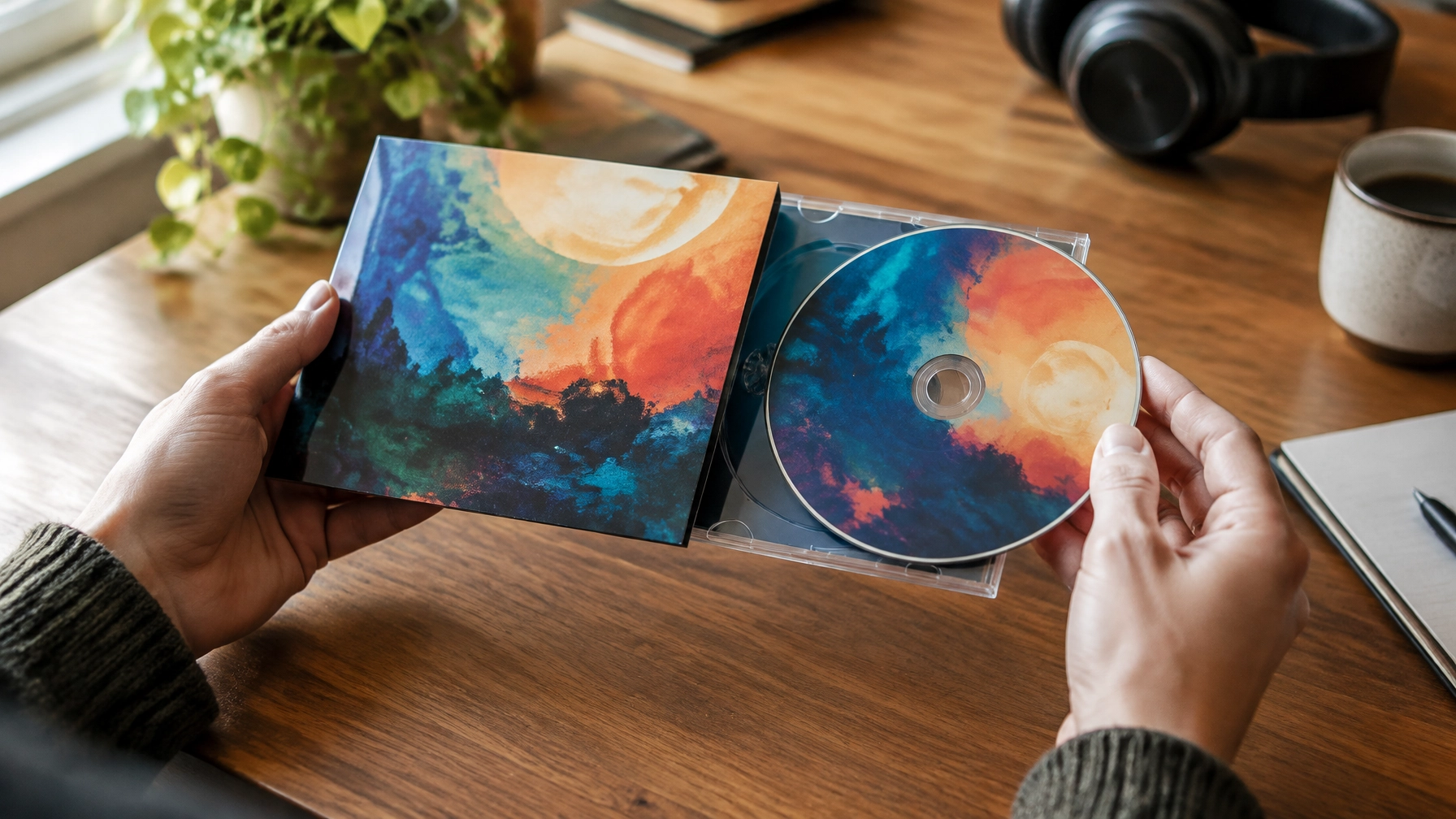
ILLIT’s result is a timely reminder that the format is not just a container for music. A physical album can become a tangible piece of the fan experience: artwork to display, a booklet to revisit, or a special edition that feels connected to the moment of release. The product gives supporters a reason to participate in a way that a play button alone cannot.
That does not require every independent artist to manufacture a huge assortment of versions or chase a major-label rollout. The lesson is more practical: understand what your most engaged fans would genuinely value, then make it easy for them to support you.

A fan-direct release can be a controllable lever
Emerging artists cannot control whether a song catches a playlist editor’s eye or whether a clip takes off online. They can, however, make thoughtful choices about the ways their audience can support a release.
A small physical run, a signed insert, a limited art print bundled with an album, or a digital edition with a meaningful bonus can give devoted listeners an option beyond streaming. The right choice depends on your audience, your budget, and what you can deliver well. It should feel like an invitation, not a manufactured obligation.
Start by listening to the people who already show up. Do fans ask for a vinyl pressing, CDs, lyric sheets, or merch? Do they want something affordable to collect, or are they more interested in a personal note or behind-the-scenes material? A simple poll or direct conversation can help you avoid investing in an item nobody wants.
Then build the offer around your actual capacity. Estimate manufacturing and shipping costs before setting a price. Consider how many units you can produce, pack, and fulfill without sacrificing your music schedule. If a physical edition is too costly, a downloadable bundle or a small, made-to-order run may be a better first experiment.
Clear timing matters, too. Let fans know when an item is available, when orders close, and when it is expected to ship. If first-week sales are part of your campaign goal, give supporters enough notice to plan their purchase. Be transparent about what they are buying and what the package includes.

Build for the buyers without forgetting the listeners
There is a balance here. Artists should not treat every listener as a potential transaction, or imply that fans must spend money to prove their loyalty. Many people support music by sharing it, attending a show, making a playlist, or simply listening. Those actions matter to an artist’s reach and connection with an audience.
Instead, offer a clear path for the people who want to go further. Keep streaming easy. Make purchase options easy to understand. Explain what is special about a physical or direct-to-fan release, and let fans decide whether it fits them.
It is also worth measuring more than one number. Track streams and saves, but also watch how many people click through to a store, how many orders you fulfill, and which formats supporters choose. Notice whether customers return for a later release. That can reveal whether you are building a durable community rather than generating a single burst of attention.
ILLIT’s BREAK EVEN makes the distinction visible. Its No. 1 on Top Album Sales reflects a strong purchase week; its No. 6 on the Billboard 200 reflects success across a broader measure. Neither chart position cancels out the other. Together, they show how an album can connect with listeners and motivate buyers at the same time.
For independent artists, that is an encouraging model. You do not need the biggest audience in the world to give your most devoted supporters a meaningful way to show up. Learn what they value, create an offer you can sustain, and make participation feel rewarding.
In a streaming world, listeners help music travel. Buyers can give a release a different kind of lift. The strongest strategy is not choosing one group over the other. It is making room for both, while remembering that a small circle of committed fans can move a campaign in a very real way.