

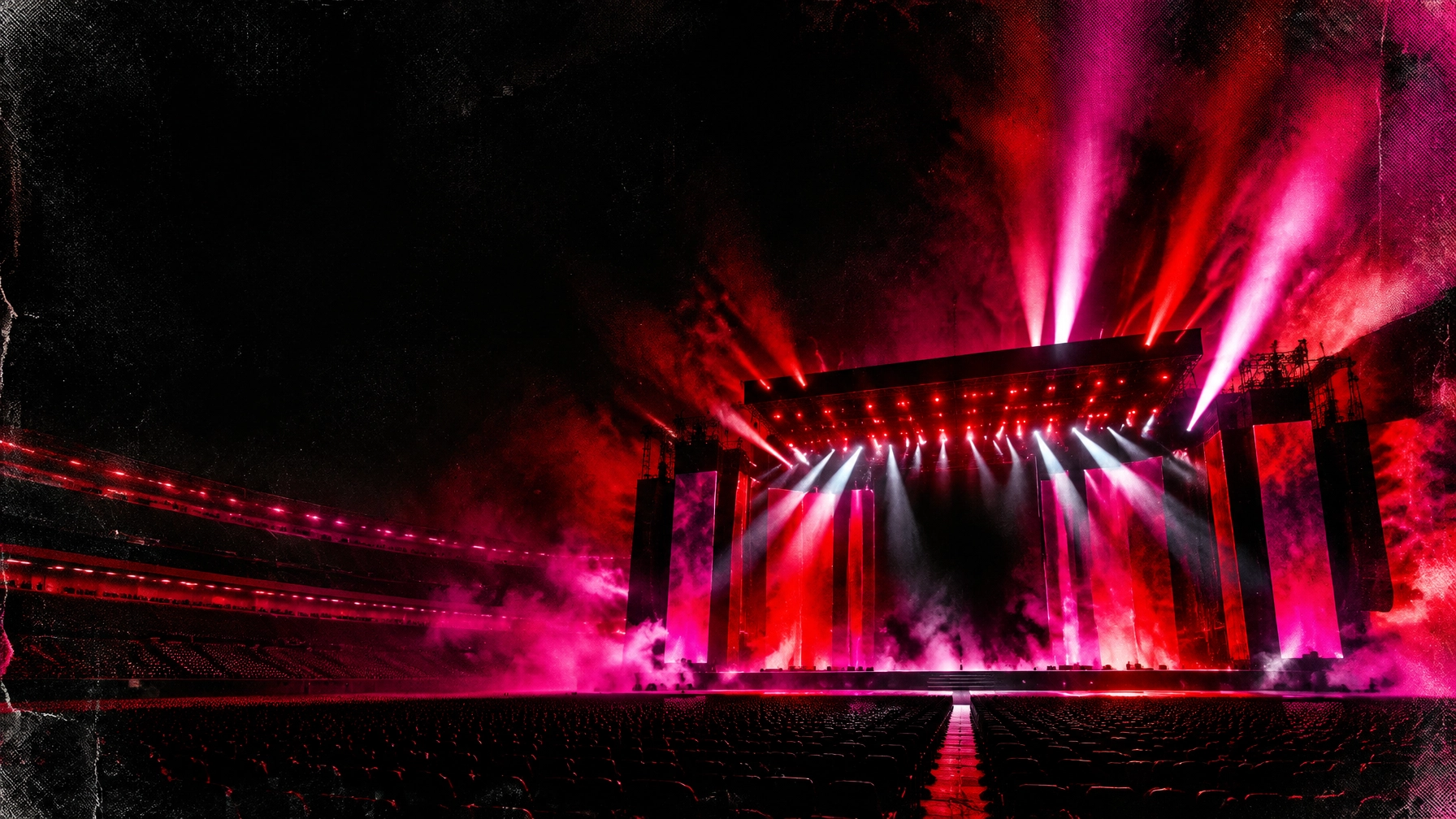
Jay-Z is set to headline the Apple Music Super Bowl LXI Halftime Show on February 14, 2027, at SoFi Stadium in Inglewood, California. The NFL, Apple Music and Roc Nation announced the news during Monday Night Football on October 26. Roc Nation will executive-produce the show, with Hamish Hamilton directing.
The booking is a major moment in its own right. It’s also an unusual one: Roc Nation has helped select and produce the halftime show for years, and now its founder is stepping onto the stage himself. That’s why “Jay-Z picked himself” has become such a compelling shorthand for the story.
It’s worth being precise: the announcement doesn’t spell out every detail of how the decision was made. But the bigger point is plain. Jay-Z has spent years building a position that gives him a hand in shaping the stage, and the opportunity to perform on it.
For independent artists, that isn’t a reason to feel shut out. It’s a reminder that talent matters, but so does the structure around it: the relationships, platforms and opportunities an artist builds before a big break arrives.
The real story is bigger than one booking
A Super Bowl halftime show is one of the most visible performance opportunities in music. But Jay-Z’s path to this moment isn’t simply a story about getting noticed. It’s a story about a long career that expanded beyond performing into business, culture and decision-making.
That distinction matters. Artists often imagine the next step as a bigger audition: make the right song, get in front of the right person, and hope someone chooses you. Sometimes that’s the path. But there’s another path, too: build something valuable enough that you can help shape the opportunities around you.
That doesn’t mean every artist needs to become an executive, launch a label or produce a stadium show. It means recognizing that your career can include more than the work you make. You can also build the audience, community and creative spaces that help that work travel.
The question shifts from “How do I get picked?” to “What can I build that creates more ways for my work to be heard?”
Build leverage before you need it
Leverage is often misunderstood as fame or a huge following. For an independent artist, it can be much smaller, and much more practical.
It might be a reliable group of fans who show up to your releases. It might be a recognizable sound, a consistent live draw, a strong catalog, a trusted collaborator network or a mailing list you own. The point is that you have something you can bring to the table beyond a request for a chance.
Start by naming what you already have. Which songs get the strongest response? What kind of audience connects with your work? Which collaborators follow through? What can you offer a venue, playlist curator or creative partner that makes their work better, too?
Then keep building those assets steadily. Share music consistently enough for people to remember you. Collect fan emails or opt-ins with permission. Document live performances. Make it easy to understand what you do and what makes your work distinct.
None of that guarantees a Super Bowl-sized moment. It does give you more choices when an opportunity appears, and more stability when one doesn’t.
Be the curator, not just the contestant
You don’t have to wait for an established platform to make room for you. You can create a small one of your own.
That could be a monthly showcase for artists in your city, a playlist that highlights sounds you believe deserve more attention, a live-streamed performance series, or a listening party that brings fans and collaborators together. What matters is that it reflects your taste and creates a reason for people to return.
A self-made platform does more than provide a place to perform. It helps you practice programming, promotion and community-building. You learn what your audience responds to, meet artists whose work you respect and build relationships through shared effort.
Keep the first version manageable. One intimate show with a clear theme can be more valuable than an ambitious event you can’t sustain. A focused playlist updated regularly may build more trust than a sprawling collection posted once and forgotten.

Turn one big moment into many smaller ones you control
Big opportunities can bring a burst of attention. The challenge is turning that attention into something that lasts.
If a song catches on, don’t let the moment live only in a single post. Consider what else the song can lead to: a live version, a behind-the-scenes story, a collaboration, a small listening event or a short series explaining how it came together. Each piece gives people another way to connect with the work.
The same goes for a successful show, interview or placement. Thank the people who helped make it happen. Share useful context with your audience. Save the footage and learnings. Follow up with new listeners in a way that feels human rather than transactional.
Think of one strong moment as a doorway, not the whole house. You may not control how many people walk through it, but you can create thoughtful next steps for those who do.

Treat relationships like long-term work
The person who makes a decision today may not be the most powerful person in the room. They may be the venue booker who takes a chance on your first show, the local producer who introduces you to a collaborator, or the fan who brings a friend next time.
Relationships compound when they’re built with care. That means showing up prepared, communicating clearly, giving credit, honoring agreements and staying in touch without asking for something every time.
It also means thinking beyond the immediate slot. If you’re booked on a bill, make the night better for everyone. If someone gives you useful feedback, apply it and let them know. If a collaborator opens a door, look for a way to support their work in return.
No relationship can promise a specific outcome, and people shouldn’t be treated like shortcuts. But genuine trust makes future collaboration easier, and can create opportunities neither person could have planned alone.
Build a room others want to enter
There’s a deeper lesson in Jay-Z’s position: influence isn’t only about getting access to a room. It can also mean helping shape the room. What it celebrates, who gets invited, and what audiences get to experience.
Independent artists can practice that idea at their own scale. Put emerging talent on a bill with you. Share a useful resource with your creative community. Make your event welcoming. Create a playlist that connects listeners to artists they may not have found otherwise.
This isn’t a call to do unpaid work forever or to make yourself responsible for everyone else’s career. It’s about understanding that a strong artistic community can create more energy and possibility for everyone involved, including you.

Your next move doesn’t have to be enormous
Jay-Z’s Super Bowl announcement lands at the intersection of music, business and influence. Most artists won’t have the same resources or reach, and they don’t need to. The useful lesson isn’t to copy someone else’s career. It’s to build more ownership into your own.
This week, choose one step you can actually complete:
- Start a simple list of fans who want updates from you.
- Reach out to one collaborator with a clear, specific idea.
- Plan a small showcase or listening session.
- Turn one existing song into a new piece of content.
- Write down what you bring to a partnership beyond your music.
Then keep going. Make the platform a little stronger. Make the relationships a little more real. Build proof that your work connects.
You may not control every decision in the industry. But you can build more of the things that give you options when decisions are being made. And sometimes, the most important career move is not waiting for someone to open a door. It’s creating a space where your work and the people who believe in it can meet.